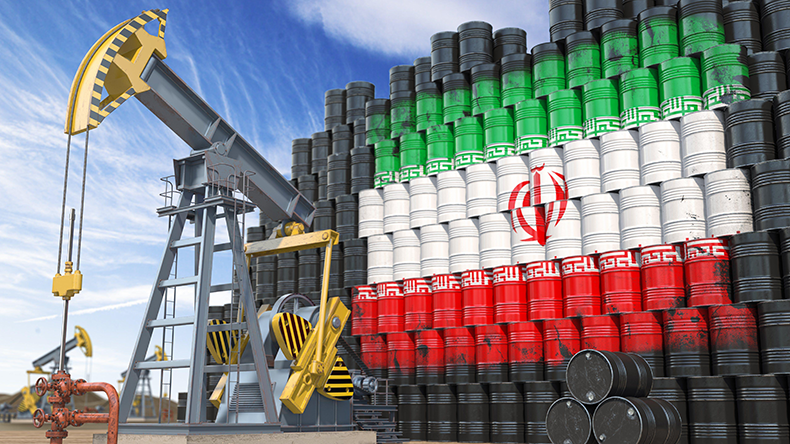
Oil Regains Strength as Iran Attack Tests Hormuz Deal Prospects
Brent oil prices strengthened on Tuesday (May 26) after a US attack in southern Iran and President Donald Trump's inconsistent messaging regarding Washington-Tehran talks prompted market participants to reintroduce a risk premium. Brent closed more than 3% higher at US$99.58 per barrel compared to Monday's settlement.
WTI oil, which did not settle on Monday due to the Memorial Day holiday, closed down nearly 3% at US$93.89 per barrel compared to Friday's close. However, WTI briefly rebounded from its intraday low following news of the US attack, indicating the market remains highly responsive to developments in the field.
The US military said it had conducted "self-defense" strikes in southern Iran, targeting vessels suspected of attempting to lay mines and missile launch sites, claiming to protect US forces from threats. The IRGC stated it would retaliate against ceasefire violations after identifying and interacting with a US drone and an F-35 fighter jet that it said entered Iranian airspace.
Tasnim reported that talks with the US were generally "quite good," but said the memorandum of understanding was contingent on the release of $24 billion in frozen Iranian funds, adding a sticking point that could delay finalization. Meanwhile, Trump said negotiations were "going well" but warned that military operations could resume if talks collapsed, keeping the market in headline-driven mode.
On the fundamental side, uncertainty in Hormuz remains a key channel for oil: the risk of shipping disruptions maintains a premium on supply, while energy price movements directly influence inflation narratives and interest rate expectations. When tensions escalate, the market tends to price in the risk of energy inflation and input cost volatility.
UBS assesses that the global oil market is showing signs of tightness as inventories continue to decline amid shipping disruptions via Hormuz. The bank noted that global oil inventories were observed to have fallen by 246 million barrels in March–April, and that accumulated production losses could exceed 1 billion barrels by the end of May. Therefore, the market is considered to remain undersupplied despite shifts in tanker stocks due to the rerouting of US exports to Asia.
The immediate agenda items being monitored by the market include Trump and his cabinet meeting at Camp David on Wednesday, updates on the ceasefire status, and concrete signals regarding the reopening of the Hormuz shipping lane and the frozen funds mechanism. These factors will determine whether Brent's rally will persist or reverse.
Source: Newsmaker.id