The Fed Cuts Interest Rates, But Markets Are Still Confused
The Federal Reserve is expected to cut its benchmark interest rate by 0.25 percentage points at this week's meeting. However, Fed Chairman Jerome Powell is unlikely to provide any clear indication of the next move. Powell previously stated that the Fed's current focus is on the risk of a weakening labor market. The latest US inflation data also came in lower than expected, so pressure from the "hawkish" camp, which fears inflation will spike, has temporarily eased.
This cautious stance arises because the Fed itself is currently divided. Some officials feel the economy is becoming fragile, especially in the labor market, so interest rates must be lowered to prevent a job market breakdown. However, others remain concerned that inflation is not yet safe. Core inflation (CPI) is still rising 3% annually—that's still 1 percentage point above the Fed's target. They are also wary that service prices remain stubbornly high, and the threat of new tariffs on China and Canada could push prices up even further.
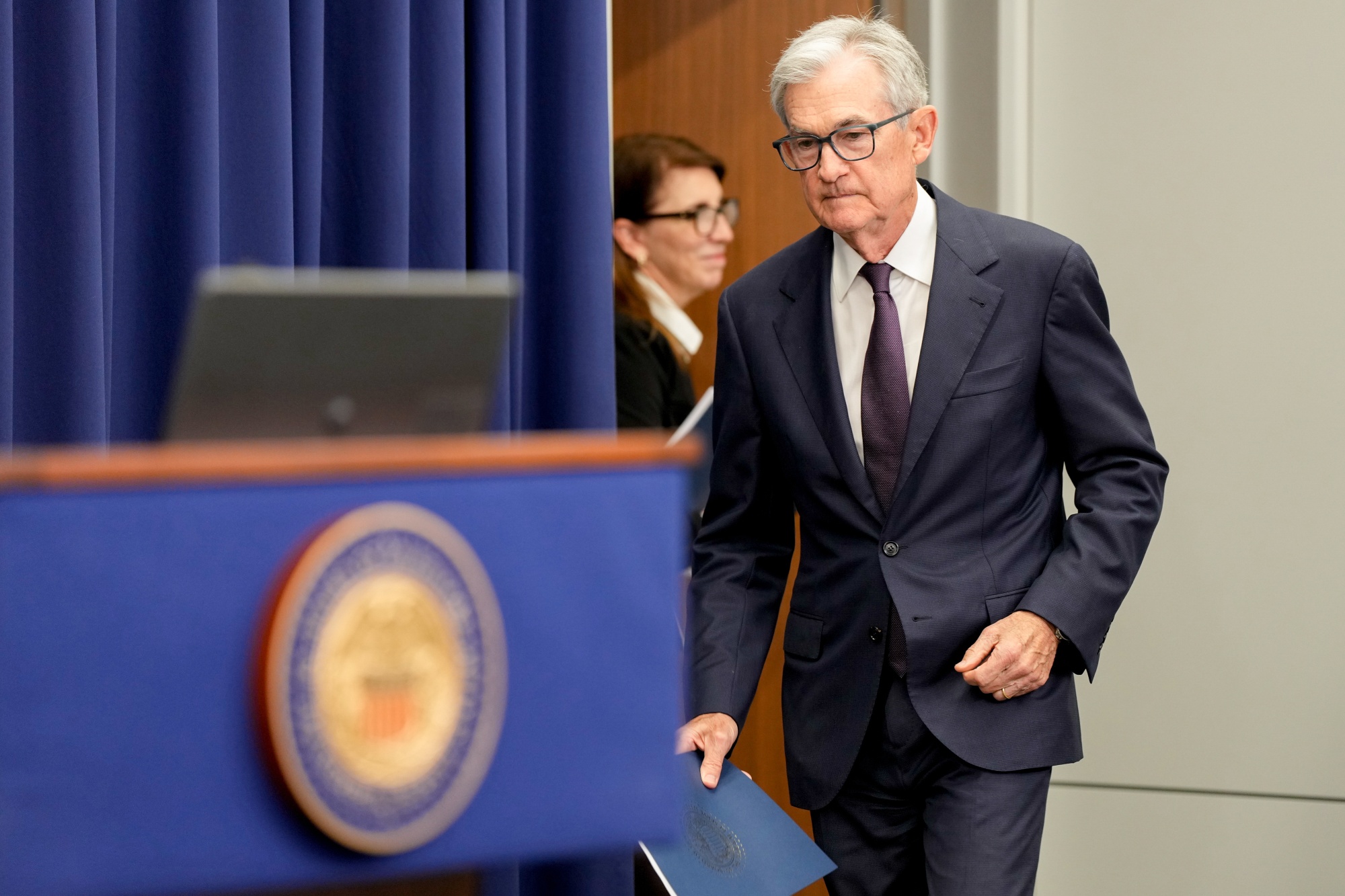
Given the divided views of Fed officials, Powell is likely to play it safe during his press conference. He will announce his interest rate decision (released Wednesday at 2 p.m. Washington time), but is expected to make no promises about the December meeting or early next year. The Fed will also not release new economic projections or a dot plot at this meeting. Moreover, official economic data is limited due to the government shutdown, giving Powell an extra reason to remain silent on the direction of future policy.
Interestingly, even the size of the rate cut remains a matter of debate. Investors are almost certain it will only be a 0.25-point cut, but some officials, like Fed Governor Stephen Miran (President Donald Trump's pick), are said to be insisting on a more aggressive 0.50-point cut. On the other hand, there are also those who want no further cuts at all, such as Kansas City Fed President Jeff Schmid. This means the Fed does want to lower interest rates, but they haven't yet agreed on how quickly they should ease. That's why Powell is expected to speak softly and at length, but without answering the most important question: "Where do we go from here?" (asd)
Source: Bloomberg