According to Markets and Fed Leaders, an Interest Rate Cut on October 29, 2025, Is “Almost Certain”
Global financial markets are now placing almost 100% expectations that the Fed will cut interest rates by 25 basis points (bps) at its policy meeting scheduled for October 28–29, 2025. This trend is reinforced by US inflation data released this week and a number of statements by Fed officials publicly supporting such a move.
The latest data shows that the US Consumer Price Index (CPI) rose 0.3% month-on-month and 3.0% year-on-year in September, slightly below market projections.
This moderating effect of inflation has reinforced the signal that the Fed feels it has “room” to begin easing monetary policy.
Fed officials have begun to speak openly about an upcoming cut. For example, Fed Governor Christopher Waller stated:
“Based on all the data we have on the labor market, I believe the FOMC will lower the benchmark interest rate by another 25 basis points at our meeting ending on October 29.”
Waller added that a rate cut would depend on developments in employment data and gross domestic product (GDP).
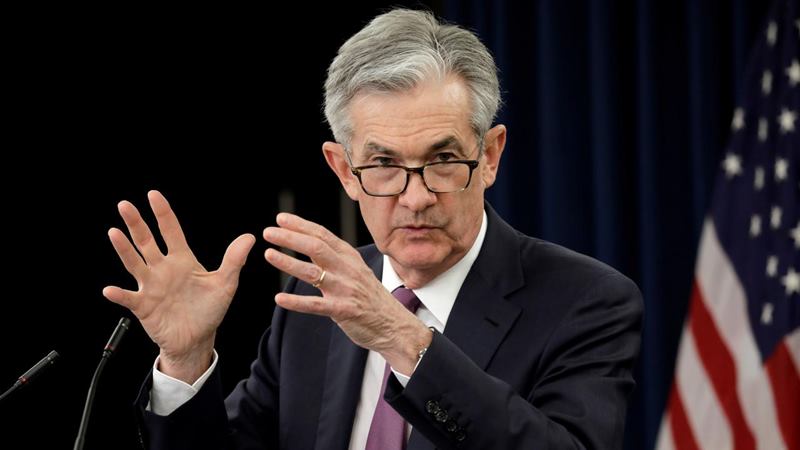
Fed Chairman Jerome Powell also signaled the same direction. In his speech, he stated that the slowdown in hiring posed a "major threat" to the US economy, and that current conditions supported two further rate cuts this year.
Major media outlets and research institutions also highlighted this momentum. A preliminary Reuters assessment stated:
An Investopedia report also noted that "The Federal Reserve's policymaking committee is expected to cut its benchmark interest rate by a quarter point" at its meeting.
Referring to a survey of economists, 115 of 117 economists predicted a 25 basis point cut by the end of October. This reflects a very strong consensus that the Fed will begin a phase of monetary policy easing.
While the likelihood is high, analysts caution against overestimating the tone of the Fed's communication after the rate cut. If the Fed's statement is too cautious or indicates that further cuts are uncertain, the market could react negatively. For example, Chicago Fed President Austan Goolsbee said:
“I’m a little worried about front-loading a rate cut, because I assume that the inflation increase will just disappear.”
For investors and market participants, this means: • The cut is expected, so short-term rate-sensitive instruments – such as bonds, growth stocks, and gold – have already begun to respond. • However, the sustainability of the cut and the Fed’s forward-looking projections are important factors: if the Fed implies only one cut or delays further, the market reaction could be reversed.
The bottom line: Combining lower-than-expected inflation data, already very strong cut expectations, and supportive statements from Fed officials, the odds that the Fed will cut rates on October 29 are on track to be very high. The cut no longer appears to be just an opportunity — but almost a necessity in the market’s calculations.
Source: Newsmaker.id