Goldman Sachs: Fed Could Raise Rates Starting in September
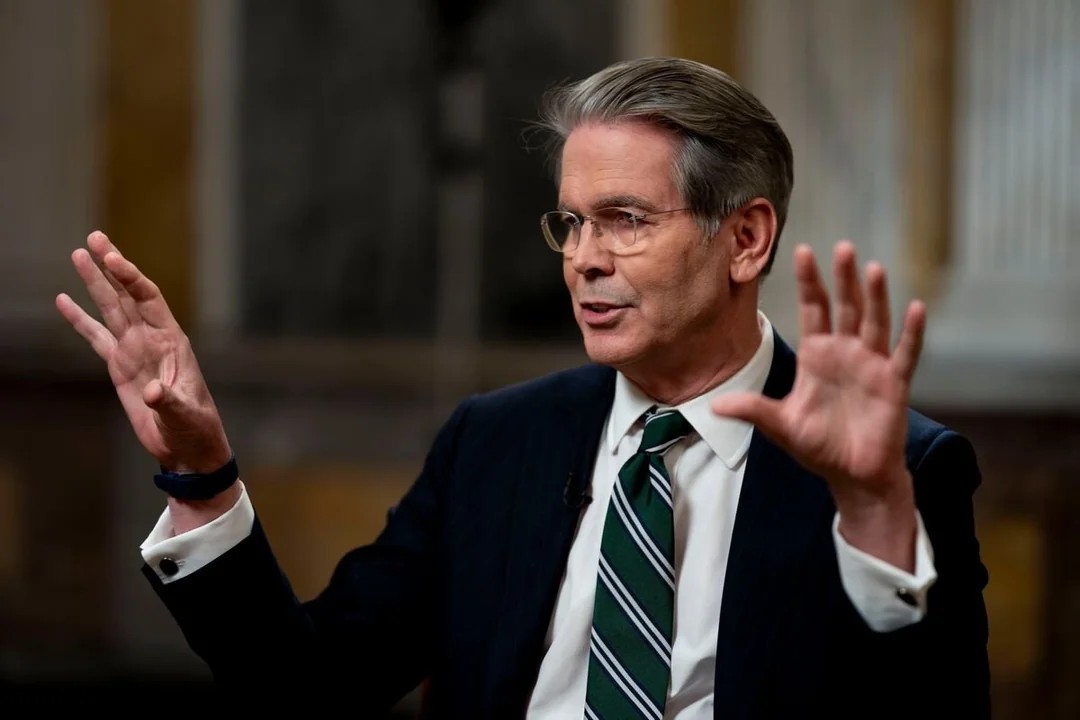
The Federal Reserve could need to raise interest rates as early as September if inflation remains high, according to Rob Kaplan, Vice Chairman of Goldman Sachs and former President of the Dallas Fed. Kaplan believes that if inflation data doesn't show a cooling off by September, a fall rate hike would be a wiser option.
Kaplan's statement came after the bond market reacted to hawkish signals from Fed Chairman Kevin Warsh. Investors dumped short-term Treasuries, pushing yields up, after Warsh emphasized that the Fed's focus remains on controlling inflation. The latest projections also show that half of FOMC members expect a rate hike before the end of the year.
Kaplan said lingering inflation could be a sign that monetary policy hasn't been tight enough. He also cautioned that Fed policy is rarely a one-time event. If a hike is made in September, the market should prepare for the possibility of one or two additional hikes.
Swap market participants are now pricing in a 25 basis point interest rate hike in October, a sharp shift from pre-Fed meeting expectations that had previously seen a hike in March 2027. The two-year Treasury yield, which is sensitive to policy direction, rose as much as 17 basis points on Wednesday before falling slightly to 4.17% in Asian trading on Thursday.
However, not everyone sees a rate hike. Citigroup remains one of the Wall Street institutions that expects the Fed to ease policy this year, although the bank shifted its initial projection for a rate cut from September to October due to weaker labor data and cooler inflation.
Kaplan also cautioned the market against over-reading the Fed's dot plot. He said the latest projections may not fully reflect the impact of the US-Iran deal and the reopening of shipping lanes, so the outlook could change when the next projections are released in September.
For the market, Kaplan's comments reinforce the focus on inflation data in the coming months. If price pressures persist, expectations of high interest rates could again support the US dollar and Treasury yields, while interest-rate-sensitive assets such as gold and growth stocks could potentially remain under pressure. (arl)
Source: Newsmaker.id