US Inflation Remains Stubborn, Iran War and Tariffs Make the Fed Cautious
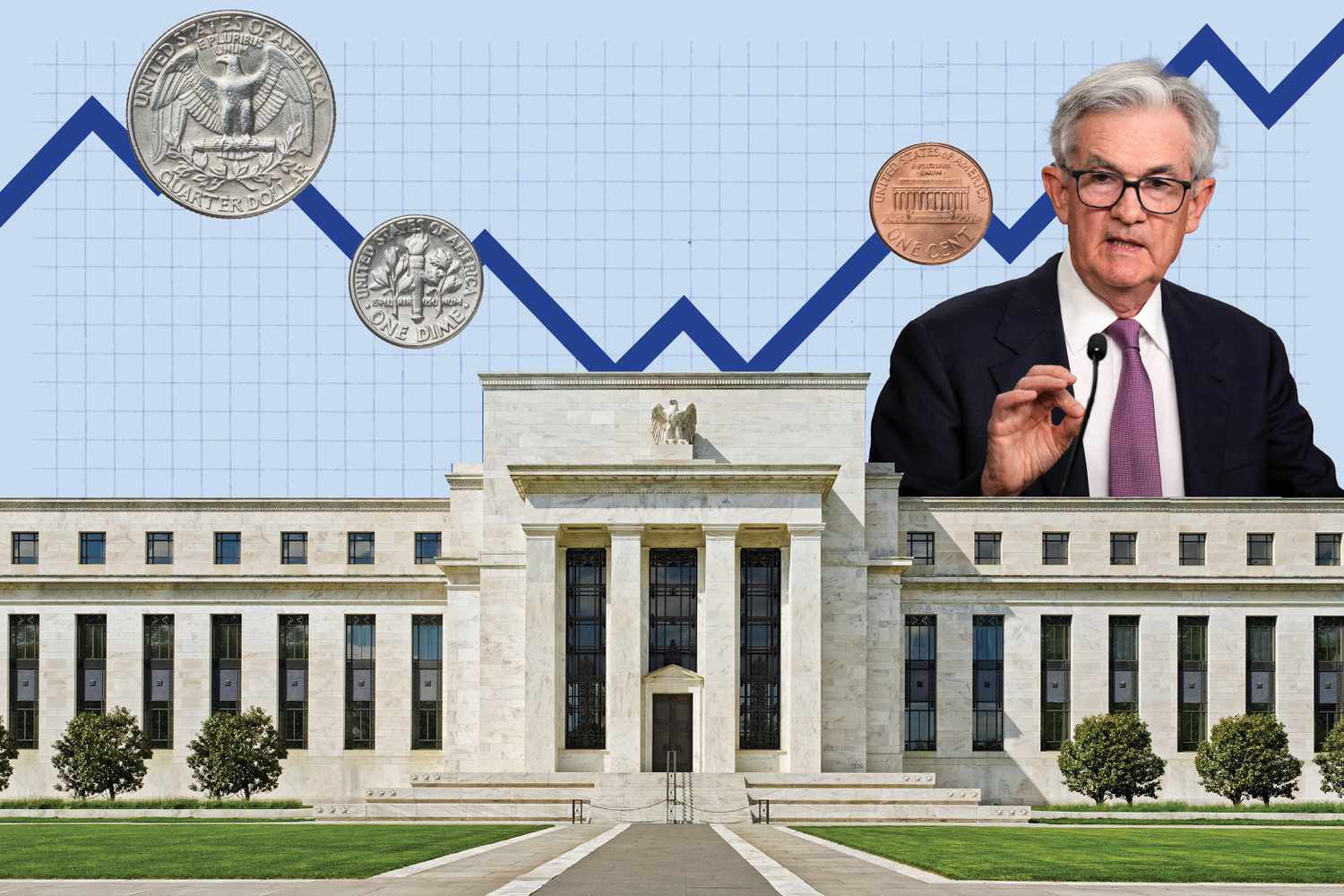
US inflation has yet to fully subside, prompting the Federal Reserve to remain cautious amid the Iran war, which has triggered a surge in energy risks. The Fed's most closely watched inflation measure, core PCE, was recorded at 3.1% (y/y) in January, while headline PCE was 2.8% (y/y), well above its 2% inflation target.
At the same time, upstream price pressures have not yet subsided convincingly. February's producer price inflation (PPI) remained hot, with a strong monthly increase and a higher annual rate, indicating that input costs still have the potential to "trickle down" to consumer prices.
The Iran war increases inflation risks through energy and logistics channels. Reuters noted that the Fed assessed that increased uncertainty due to the conflict, while higher energy prices risk raising inflation and constraining room for interest rate cuts. The Fed also raised its 2026 inflation forecast to 2.7% (from 2.4% in the December projection), citing pressures related to oil prices and tariffs as factors weighing on the disinflation process.
On the real economic front, consumption data remains resilient, but signs of a slowdown are emerging. Reuters reported that consumer spending rose 0.4% in January, but this increase was largely driven by price action. Meanwhile, fourth-quarter 2025 economic growth was revised down to 0.7%, making monetary policy even more "wrong": growth is softening, but inflation is still subdued.
For the market, this combination reinforces the "higher for longer" trend. As long as the risks of energy inflation and tariffs remain unabated, the Fed is likely to maintain a tighter policy stance for longer, which typically supports the dollar and keeps volatility in yields and risk assets at bay. (CP)
Source: Newsmaker.id