ECB Holds Rates: Lagarde Highlights Digital, Wages, and Trade War Risks
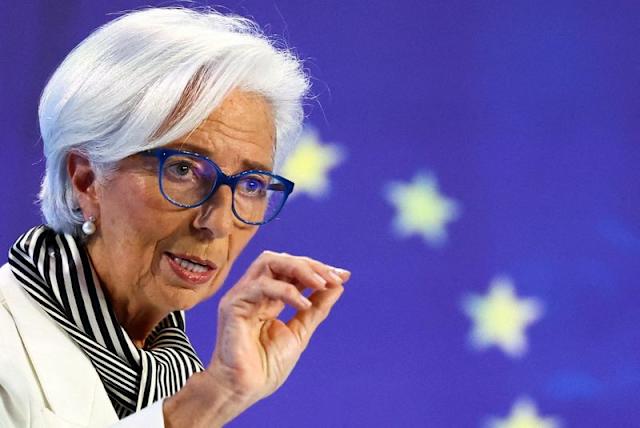
European Central Bank (ECB) President Christine Lagarde emphasized that the decision to hold interest rates at its February meeting was taken because the eurozone economy remains "mixed": some sectors are showing resilience, but global uncertainty remains a shadow.
Lagarde explained in her speech on Thursday (February 5th) that the growth engine is still largely supported by the services sector, particularly technology-related activities such as IT/digital. At the same time, the manufacturing sector is considered quite resilient, while construction is starting to show improved momentum compared to the previous period.
On the demand side, the ECB sees several drivers starting to take shape. Government spending is expected to help boost domestic consumption and demand. Furthermore, business investment is also expected to improve—especially as more companies shift their capital expenditures to digital technologies.
Regarding inflation, Lagarde emphasized that core inflation indicators have remained relatively unchanged. However, forward-looking signals suggest cost pressures are softening: several indicators and surveys point to continued moderation in labor costs, a factor that will be important for the direction of inflation in the coming months.
She also highlighted that most measures of long-term inflation expectations remain around 2%, indicating the market does not yet see a risk of inflation “running out of control.” However, the ECB remains cautious, as the path of inflation remains subject to numerous surprises.
Lagarde concluded with a note of risk: the eurozone is currently in a volatile global policy environment. Uncertainty could restrain spending and investment, while international trade frictions could potentially disrupt supply chains and depress exports—two factors that could hamper the economic recovery.
Source: Newsmaker.id