Barkin Warns of Risks: AI & Consumers Are Key Bolsters
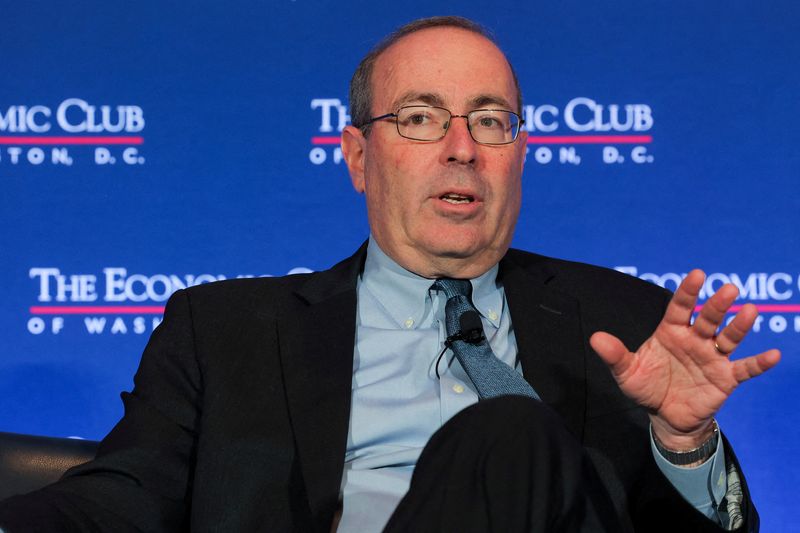
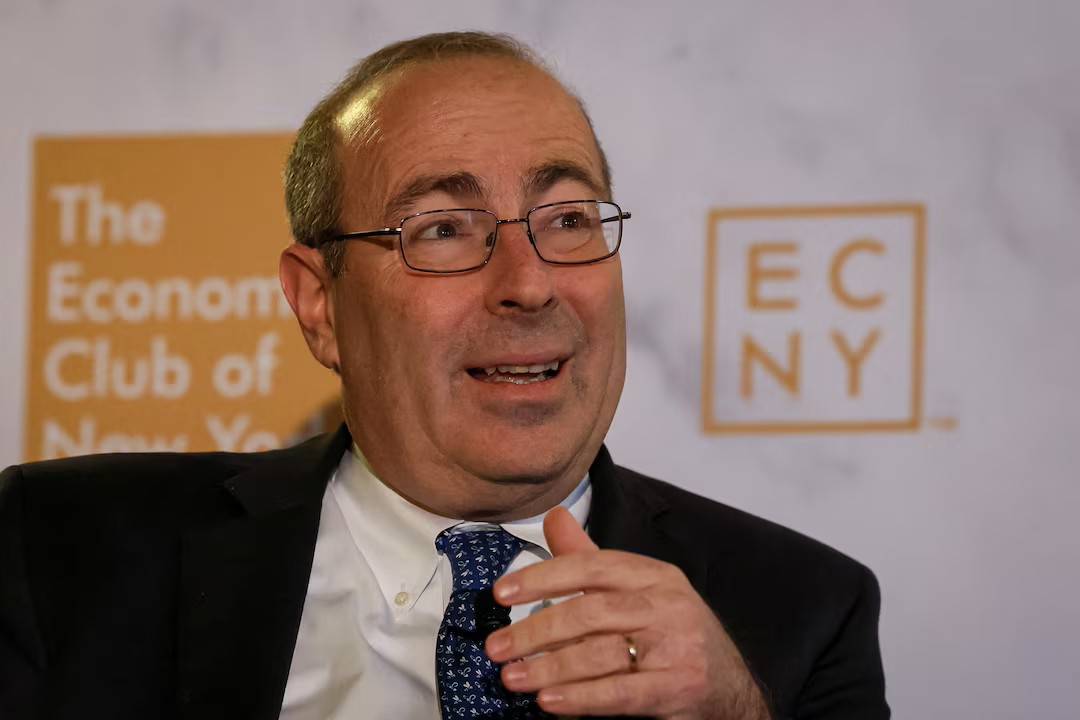
Richmond Federal Reserve President Tom Barkin believes last year's interest rate cuts acted as a "bolster" to keep the labor market strong, while the central bank continued its efforts to bring inflation down to target. In remarks prepared for an event in Columbia, South Carolina, on Tuesday (February 3), Barkin said the rate cuts helped maintain employment momentum as the process of lowering inflation entered a more difficult phase.
Barkin said the economy's recent trajectory appears to be improving as uncertainty has eased, but he emphasized that risks remain. He noted that hiring remains concentrated in certain sectors, while inflation remains above the Fed's 2% target—a situation that requires policy vigilance.
Last week, Fed officials decided to hold the benchmark interest rate in the 3.5%–3.75% range. Fed Chairman Jerome Powell said monetary policy is now sufficiently flexible to respond to changing risks, both in inflation and employment, after the central bank's three consecutive cuts last year.
Barkin also assessed that several sources of uncertainty—such as the impact of tariffs and policy changes—are beginning to ease heading into 2026. In his conversations with businesspeople, he picked up signals that demand remains relatively stable. He also expects the tax refund season, falling gasoline prices, and the effects of looser policies to provide additional support for economic activity throughout this year.
One point he highlighted: consumers with tight household finances tend to resist price increases, making it difficult for companies to pass on tariff costs to consumers. For Barkin, this is one factor helping to contain inflationary pressures from escalating.
However, he cautioned that the current sources of resilience in the US economy are unevenly distributed. Barkin believes that strong demand is largely supported by infrastructure development related to artificial intelligence and spending by high-income groups. He warned that if the AI sector weakens and depresses investment and the stock market, the knock-on effect could reduce consumption among the wealthy, as net worth declines.
Source: Newsmaker.id