Fed Optimistic About a Bright 2026, But Won't Follow Trump's Wishes?
The US Federal Reserve (The Fed) may not deliver all the interest rate cuts President Donald Trump wants, but its latest economic projections are quite encouraging for the White House. In projections released Wednesday, the Fed sees the US economy in 2026 with faster growth, lower inflation, and stable unemployment ahead of the 2026 midterm elections. This means, broadly speaking, they believe the US economy can land smoothly, rather than fall into a severe recession.
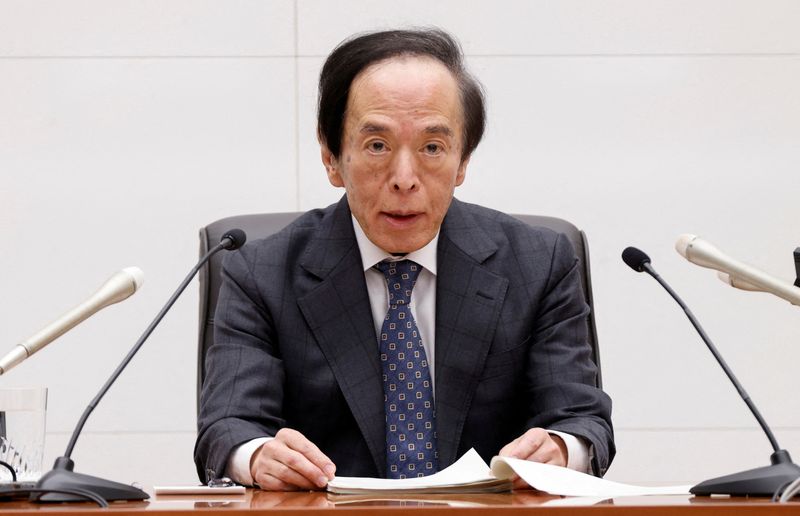
Jerome Powell emphasized that after its third consecutive interest rate cut, the Fed may pause and wait for further data. According to him, the US economy is expected to emerge from the turmoil caused by tariffs and immigration issues and enter a phase of stronger productivity, sustained household consumption, and gradually declining inflation as the effects of tariff price increases begin to fade. Powell openly stated that he wants to hand over the baton to the next Fed chairman with the economy in "truly healthy" condition.
The Fed's projections suggest that whoever replaces Powell—Trump is expected to appoint a new chairman when Powell's term ends in May—will likely inherit a relatively solid economy, but with less room to cut interest rates than Trump would like. In the latest projections, inflation is expected to fall from 2.9% at the end of this year to around 2.4% by the end of 2026, while economic growth is projected to rise from 1.7% to around 2.3%, helped by the recovery following this year's government shutdown. The unemployment rate, currently around 4.4%, is expected to rise only slightly and then return to 4.4% by the end of 2026.
Behind these figures, the Fed believes productivity will be a crucial driver, especially with the adoption of new technologies, including artificial intelligence (AI). This increase in productivity has previously been cited by White House officials, such as economic adviser Kevin Hassett—who is considered a strong candidate to replace Powell—to push for interest rate cuts. However, while a new chairman could come in with a more dovish agenda, Fed policymakers are not necessarily in agreement that interest rates need to be cut as sharply as Trump wants.
Internally, views within the Fed are divided. Projections show nearly a third of officials disagree with Wednesday's rate cut, while another third prefer a larger cut than the median projection of one cut next year. Powell explained that this difference arises because some are more concerned about inflation, which remains at risk of rising, while others are more concerned about a deeper labor market weakness. But overall, they are starting to calm down: the risks to inflation and unemployment, according to the latest projections, are less severe than they were a few months ago, and the "stagflation lite" scenario (high inflation + high unemployment) is fading.
Politically, the situation is far more sensitive. Trump has made inflation and the cost of living a key campaign weapon in his 2024 campaign, but so far, food prices are still rising 2.7% year-on-year, higher than when he took office, and high home prices and mortgage rates are making it difficult for many people to buy a home. Although worst-case scenarios such as the threat of a "global trade collapse" or a "cancelled Christmas" due to massive tariffs have not yet materialized, the White House is closely monitoring the Fed's actions. Trump and his team accuse the Fed of playing politics by slowing down the interest rate-cutting cycle, while the Fed actually feels more confident in its projections and is prepared to wait for further data before taking any further action. For now, Powell's message is clear: the economy is headed for a soft landing, not a Trump-style interest-cutting orgy. (asd)
Source: Newsmaker.id