Fed's Powell: Labour market has significant downside risks
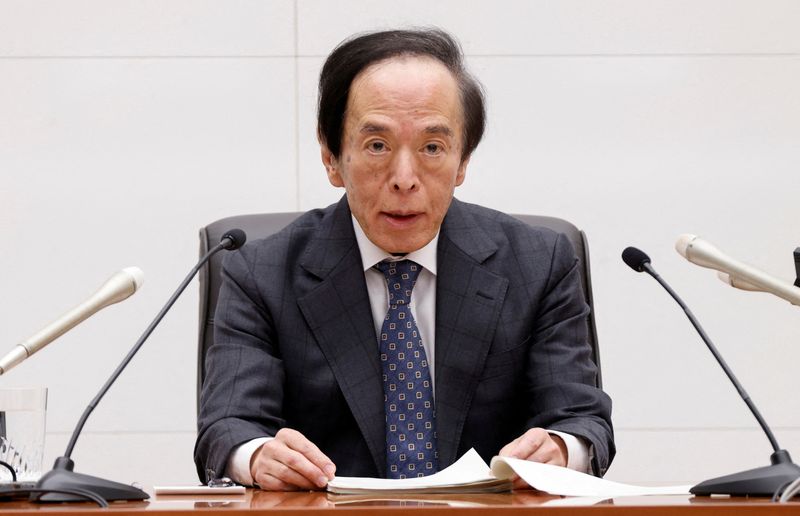
At the usual post-meeting press conference, Fed Chair Jerome Powell explained why policymakers decided to lower the Federal Funds Target Range (FFTR) to 3.50%–3.75% after the December meeting and took questions from reporters about the move.
Powell's press conference highlights
The end of the government shutdown informs projections of a swing to higher growth next year.
Implication of Fed forecasts is higher productivity.
Our two goals are a bit in tension.
Everyone at the table agrees inflation is too high.
Fairly broad support for today's decision.
The effects of rate cuts so far are only beginning to come in.
“Extent and timing” phrase points out we’ll carefully evaluate incoming data.
Well positioned to wait to see how the economy evolves.
Consumers continue to spend.
Some people feel we should stop here and wait.
I don't think a rate hike is anyone's base case. I am not hearing that.
The division is between holding rates steady from here vs. cutting.
Some people feel we should cut once or more; don't think a rate hike is anyone's base case next move.
Don't expect a sharper downturn in employment with rates in a plausible range of neutral.
We have made progress this year in non-tariff-related inflation.
In October, said that there was no certainty of a December rate cut, and that was indeed correct.
Why we moved today is due to the gradual cooling in the labour market.
We think there's a negative 20,000 in payrolls per month.
We think job gains have been overstated by 60k in recent months.
Evidence is growing that services inflation has come down, and goods inflation is entirely due to tariffs.
It doesn't feel like a hot economy.
This is a unique situation with tension between our 2 goals.
We're now in the high end of the range for neutral.
If there are no new tariff announcements, inflation from goods should peak in Q1.
Nothing is happening in long rates that suggests concern about inflation in the long run.
Labour market has significant downside risks.
People care a lot about the labour market.
If you get away from tariffs, inflation is in the low 2s.
Tariffs are likely to be one-time price increases.
If we didn’t have to worry about the labour market, the policy rate would be higher.
Source : Fxstreet.com