Trump Ready to Lower China Tariffs for Fentanyl Deal?
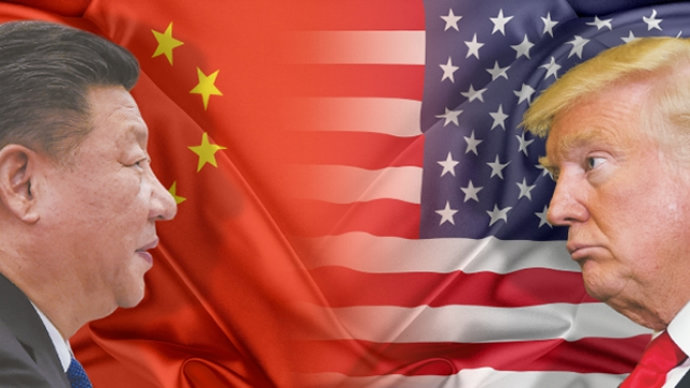
US President Donald Trump said he is ready to lower import tariffs on Chinese goods linked to the fentanyl crisis in America, provided Beijing seriously curbs exports of chemicals used to make the drug. Trump made this statement on Air Force One while flying to South Korea, one day before meeting with Chinese President Xi Jinping. He said China would "do something" and cooperate directly with the US on fentanyl, but did not provide specific details.
According to US media reports, the scenario being discussed is a reduction in specific fentanyl-related tariffs from 20% to 10%. This means Washington would give some relief in exchange for Beijing promising to tighten controls on fentanyl precursor chemicals. This is important for China as well, as Beijing has long wanted the US tariff burden reduced. This tariff reduction is seen as a major concession to China ahead of the Trump-Xi summit.
It's not just fentanyl. The US and China reportedly agreed on the outline of a deal during a weekend technical meeting in Malaysia. The draft agreement: The US will refrain from raising tariffs to 100% as Trump previously threatened, while China will postpone restrictions on rare earth exports, which are crucial for the global chip and high-tech industries. Furthermore, the package also addresses China's purchase of US soybeans, potential reductions in shipping costs, and the planned sale of TikTok's US operations to a White House-approved consortium.
If Trump and Xi successfully finalize this agreement, it could have two-pronged impacts: economic pressure on China will be eased somewhat due to the tariff reduction, and Trump can claim to the US public that "China is helping solve fentanyl" ahead of domestic political tensions over narcotics. On the other hand, this deal also clearly has strategic overtones: the US wants to pressure China on security issues (fentanyl, technology, TikTok), but without sharply increasing import prices for US consumers. In other words, this isn't just about trade—it's about who controls the next global rules of the game. (asd)
Source: Newsmaker.id