Europe Challenges China on Rare Earths: Threats of Retaliation, or Finding New Suppliers?
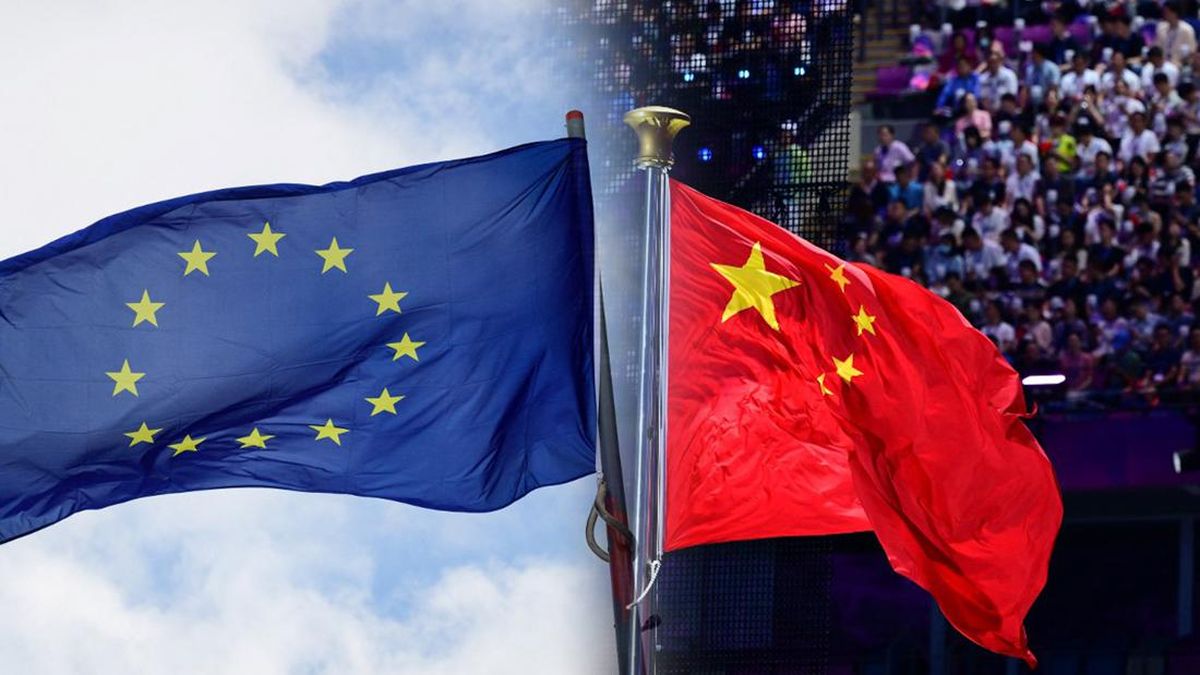
The European Union will meet with a Chinese delegation in Brussels this week to discuss Beijing's new export rules for rare earth minerals. This is crucial because China currently controls more than 90% of the global supply of rare earths—materials used in electric cars, chips, turbines, military radars, and even industrial motors. China has recently tightened export controls: foreign companies now need Chinese government permission to obtain certain minerals and derivative products. This move has immediately alarmed European factories, as some companies have already experienced material shortages and even production delays. EU officials are pressing Beijing to ease the export licensing process and want a swift solution through the official "Export Control Dialogue" in Brussels.
Meanwhile, Europe has also prepared a contingency plan in case negotiations become difficult. European Commission President Ursula von der Leyen said the EU no longer wants to be overly dependent on China for critical materials and is now accelerating mineral cooperation with other countries such as Ukraine, Australia, Canada, and several other suppliers. She also said the EU is ready to use "all instruments" — including offensive trade tools like retaliatory tariffs — if China is deemed to be unfairly pressuring European industry. The bottom line: the meeting in Brussels is not just about raw material supplies. It has become a matter of strategic power: whoever holds access to scarce materials holds the future of Europe's battery, electric vehicle, defense, and chip industries. (az)
Source: Newsmaker.id