Tariffs & Geopolitics Heat Up: Impact on Oil & the DXY
The European Union is preparing to accelerate its ban on Russian LNG as part of a new sanctions package—including targeting the “shadow fleet” of tankers that helps Moscow evade sanctions. The phase-out target has now been moved forward to January 1, 2027, earlier than previously planned, and was established following high-level Brussels–Washington communications. This package complements previous EU measures that have expanded the list of Russian energy-related vessels and entities.
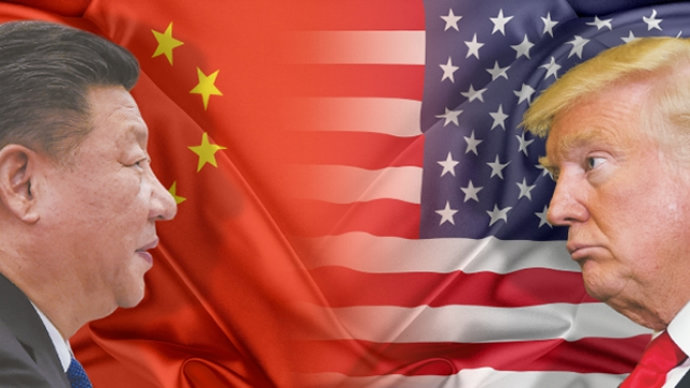
In the US, the White House is pushing for a broad tariff regime: a 10% baseline general tariff and higher reciprocal tariffs for countries with large trade deficits. The latest executive framework expands the procedures for applying tariffs/“reciprocal tariffs” going forward. Independent studies assess that this policy raises effective US tariffs to a range well above modern history, with consequences for growth and inflation.
Impact on oil: EU policy directions that restrict Russian supplies (LNG and shadow fleet controls) are likely to support prices through the risk of energy flow disruptions. However, US rhetoric pushing oil prices lower to pressure Moscow, coupled with concerns about US demand, has curbed the rally—resulting in potentially range-bound prices, with a sensitive bias to news of sanctions/infrastructure attacks. (Implicit: any escalation of sanctions is bullish for oil; any signal of tariffs/weakening demand puts downward pressure on prices.)
Impact on the DXY (dollar index): European energy tightening risks raising global inflation, driving haven flows to the USD if sentiment is fragile. Conversely, broad US tariffs tend to strengthen the dollar through risk premiums and repatriation, although over the next horizon, they could depress growth and increase volatility. Net-net, the DXY has the potential to remain bid during volatility, but is sensitive to inflation/growth data driven by a combination of tariffs and energy costs.
Source: Bloomberg