Trump Goes All-Out on Tariffs! Are the US Electrical and Military Industries Ready to be Hit?
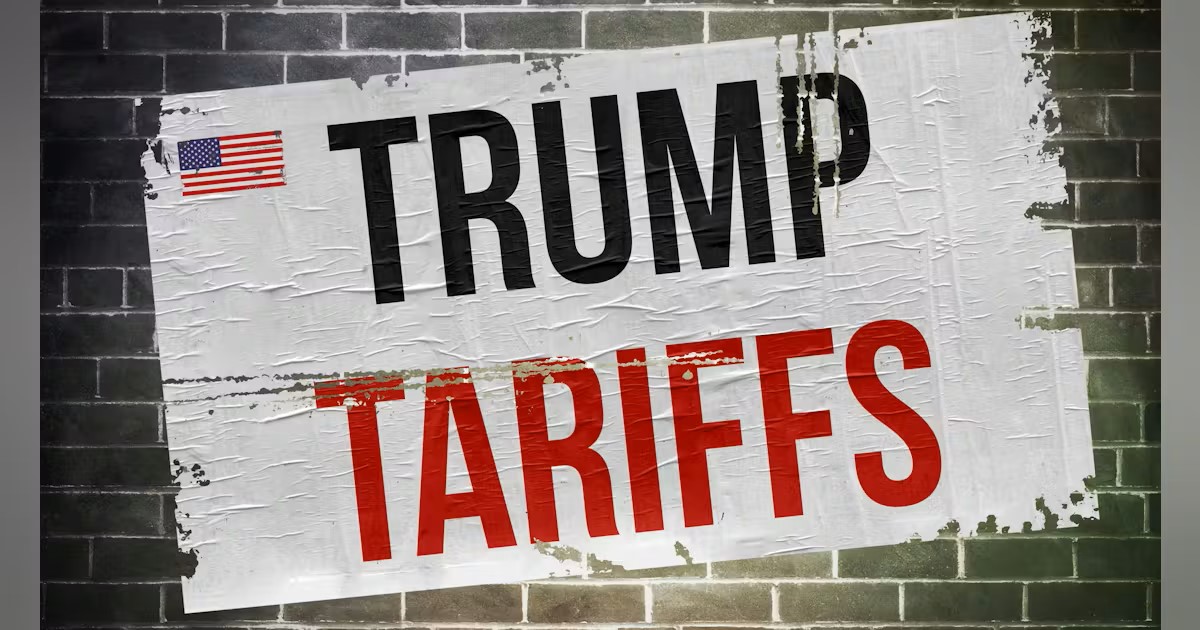
Trump's 50% Copper Tariff Could Disrupt the US Military and Electrical Industries. United States President Donald Trump plans to impose a 50% import tariff on copper products, including semi-finished goods such as wire, plate, tube, and sheet. This measure is scheduled to take effect on August 1, 2025, and aims to strengthen the US domestic copper supply chain—from mining and processing to final product manufacturing. However, this plan is still in the internal discussion stage and has not been formalized, according to sources familiar with the matter.
The tariff is feared to have a wide impact on various sectors, given that copper is used in many critical applications, from the military and data centers to electrical systems. The US is known to have imported approximately 800,000 tons of semi-finished products and 908,000 tons of processed copper last year, with the majority of it used by fabricators such as Southwire Co., a supplier of cables for US warships and military facilities. However, local producers currently do not have the capacity to replace these imported volumes in the near future.
According to the Copper Development Association, intermediate products are a vital link in the US defense industry, and the imposition of tariffs could slow the distribution and production of critical components. Krisztina Kalman, co-founder of MM Markets, estimates that building new capacity to meet domestic demand would take up to seven years. This means that supply disruptions could occur if the tariffs were imposed suddenly and comprehensively.
The US government has not yet issued an official statement regarding the final details of this policy. However, the price spike was immediately visible in the market, with copper prices on the Comex in New York rising 1.3% in early Asian trading. If this policy is passed without a short-term capacity solution, production costs in critical sectors could skyrocket, and the threat to the stability of vital US infrastructure will become even more real.
Source: (ayu-newsmaker)