Cold War Begins: BRICS Builds Payment System Against Dollar Hegemony!
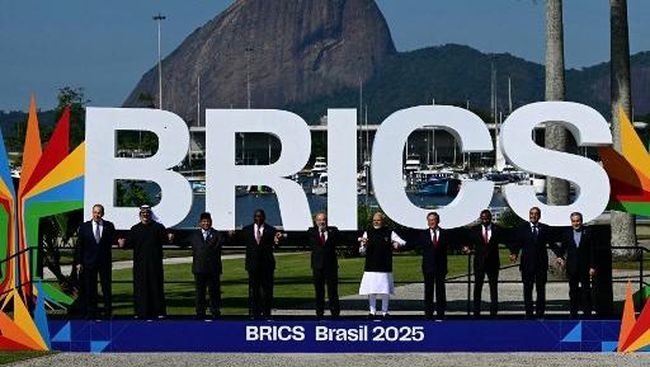
The 17th annual BRICS meeting in Rio de Janeiro lasted for two days and officially closed yesterday. Attended by representatives from 11 full member countries, this meeting confirmed BRICS' position as a new geopolitical power that dares to challenge the dominance of Western global institutions and pressure from the United States, especially under the leadership of Donald Trump.
This year's meeting is an important moment for BRICS with the presence of Indonesia as a full member, along with Brazil, Russia, India, China, South Africa, Egypt, Ethiopia, Iran, and the United Arab Emirates. BRICS now officially represents more than 45% of the world's population and around 35% of global GDP based on PPP. In addition, dozens of partner countries such as Nigeria, Thailand, and Malaysia are present as observers and prospective BRICS+ partners.
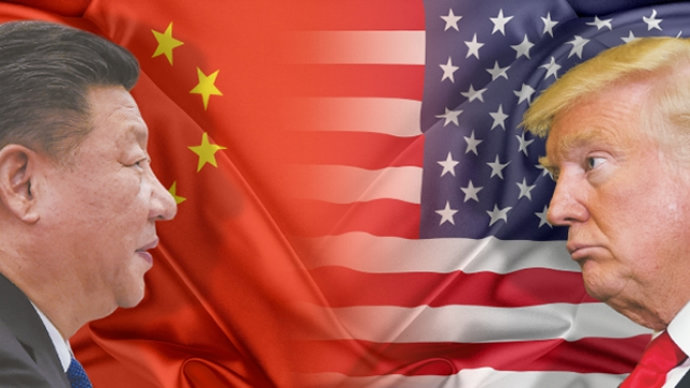
US President Donald Trump, in a statement ahead of the meeting, threatened to impose an additional 10% tariff on products from BRICS countries which he called "anti-American." This threat was met with a firm stance from BRICS leaders.
Brazilian President Luiz Inácio Lula da Silva responded to Trump's statement by saying that "The world has changed. We don't need an emperor. We need fair trade and an equal global order."
Yesterday's BRICS meeting made several conclusions, including:
Multilateralism & Global Reform
1. Structural reform of the UN, IMF, and World Bank
2. Strengthening the WTO-based multilateral trading system
3. Rejection of "unilateral coercive measures" (unilateral sanctions without an international legal basis)
Financial and Technology Cooperation
1. Exploring cross-border payment systems based on local currencies: BRICS wants to reduce dependence on the US Dollar in trade transactions between its member countries. So, instead of always having to exchange their currency to USD when importing/exporting, they want to be able to:
Example: If India buys oil from Russia, India can pay directly in rupees, and Russia receives it in rubles — without having to go through USD first.
The main objectives: Reduce USD dominance in the global financial system, Strengthen the economic sovereignty of each country, Accelerate & facilitate transactions between BRICS countries, Protect from the risk of sanctions or US dollar fluctuations
2. Reduce dependence on the US dollar
3. Increase cooperation in the development and regulation of ethical and inclusive artificial intelligence (AI)
4. Voice data protection against unauthorized use of AI
The 2025 BRICS meeting is an important milestone in the direction of a multipolar world. Not only as an economic forum, BRICS is now taking an active geopolitical position in voicing reform of the global system, economic sovereignty, and the balance of world power.
Threats from the West—including tariff pressure from President Trump—have actually strengthened internal solidarity and accelerated the transition to a new, more inclusive and equitable order. The question now is: is the world ready to accept that global power is no longer concentrated in one block. (mrv)
Source: Newsmaker.id