Israel vs. Iran: Tensions Soar, Attacks Return!
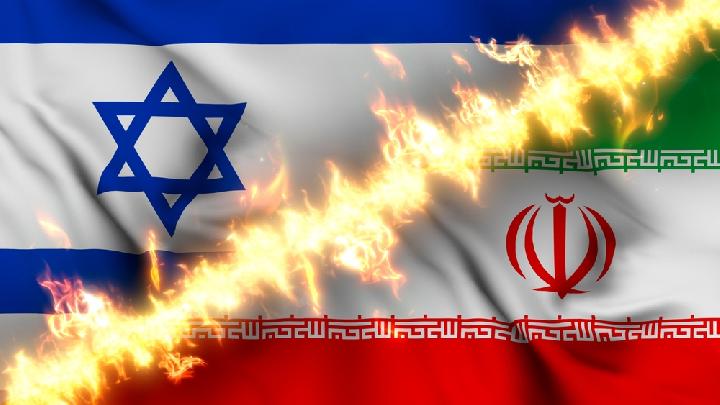
Open hostilities between Israel and Iran entered a fourth day on Monday with no sign of abating, raising fears of a wider war in the oil-rich region.
Iran fired several waves of drones and missiles over the past 24 hours, while Israel struck the Islamic Republic’s capital, Tehran, killing another top military official.
Since Friday, 224 people have been killed in Iran, according to the government, which says most of the victims were civilians. The Iranian strikes killed 14 people and wounded about 400, according to Israel’s emergency services.
Tensions between the two countries erupted into direct conflict on Friday, when Israel launched a surprise attack on Iranian military and nuclear sites. Since then, its air campaign has underscored Israel’s air superiority and exposed the constraints on Tehran’s ability to respond effectively.
For Iran, the standoff poses a strategic dilemma. The country cannot risk appearing weak, but its retaliatory options are shrinking — and the proxy forces it supports across the region have been largely thwarted by Israeli actions.
Trump Deal
After urging Iran to reach a nuclear deal in the wake of Israel’s attack, US President Donald Trump on Sunday said Iran and Israel “must make a deal, and we will make a deal.”
“We will have PEACE, very soon, between Israel and Iran!” he said on Truth Social. “There are many calls and meetings going on now.”
He also said, in later comments to reporters, that “but sometimes they have to fight it out.”
There was little else to suggest a breakthrough was imminent.
“We are in an existential campaign,” Israeli Prime Minister Benjamin Netanyahu said as he visited the site of a missile strike in the coastal city of Bat Yam on Sunday. “Iran will pay a very heavy price for deliberately killing our citizens, women and children.” His defense minister said “the regime in Tehran” was now a target.
The Israeli military said the strikes hit military sites across Iran and killed the intelligence chief and other top officials of the Islamic Revolutionary Guard Corps.
The tit-for-tat war weighed on financial markets, with equities in Saudi Arabia, Egypt and Qatar plunging on Sunday. The Egyptian pound weakened about 1.8% to more than 50 per dollar in local trading. Israeli stocks rose, led by defense firm Elbit Systems Ltd.
Investor caution elsewhere was also evident as trading resumed Monday in Asia, although the magnitude of moves outside of energy remained relatively contained.
Oil futures were trading about 2% higher, adding to sharp gains from Friday. The dollar strengthened against all of its Group of 10 peers in a sign of defensiveness. U.S. equity index futures, meanwhile, were slightly lower after more than 1% declines for the S&P 500 and Nasdaq 100 on Friday.
Source: Bloomberg