US, China Agree To Substantially Lower Tariffs
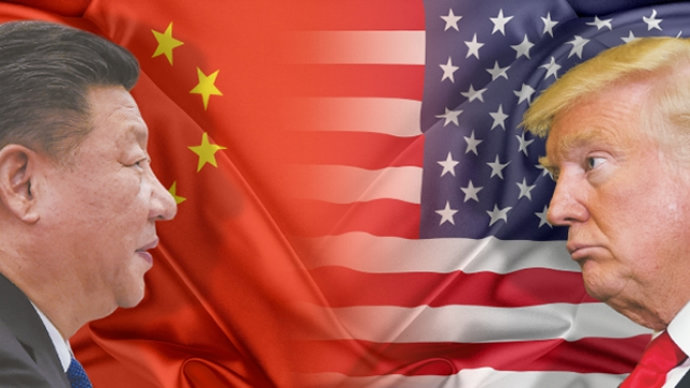
The US and China have agreed to delay tariff increases for 90 days and will temporarily lower each other’s tariffs, the two countries announced Monday.
Washington has moved to cut “reciprocal” tariffs imposed by US President Donald Trump on China to 10%, while 20% tariffs related to Beijing’s alleged role in the illegal drug trade fentanyl remain in place. Meanwhile, China’s tariffs on US imports were cut to 10%, the two countries said in a rare joint statement after high-stakes trade talks over the weekend.
“The consensus from both delegations was that neither side wants a decoupling,” US Treasury Secretary Scott Bessent told a news conference, adding that there were now “good mechanisms” in place to avoid further escalation of tensions.
Further negotiations are planned between the two, with the two sides able to hold working-level consultations on relevant economic and trade issues, the two countries said.
Investors, who had been concerned that the trade dispute could escalate into a crisis that could threaten global economic activity and raise uncertainty for businesses, appeared to welcome the changes. U.S. stock futures jumped, extending gains they had made late Sunday ahead of the announcement. The U.S. dollar strengthened against a basket of its currency pairs and the Chinese yuan also strengthened.
Representatives from the U.S. and China have previously said their discussions have yielded some progress in thawing trade relations between the world’s two largest economies. Ahead of the talks, Trump had raised tariffs on China to at least 145%, prompting Beijing to respond by imposing retaliatory tariffs of 125% on American imports. Bessent has called the move effectively a “trade embargo.”
While the steep tariffs have been eased, analysts have noted that the levies are still higher than those in place at the start of Trump’s second term in the White House earlier this year. Along with remaining U.S. tariffs on China, a 10% universal tariff and levies on goods such as steel, aluminum and cars remain in place.
The possibility of weaker economic data coming could also hurt market sentiment that has shown signs of recovery from the tariff-fueled turmoil of the past few months, said Chris Beauchamp, Chief Market Analyst at IG.
Source: Investing.com