Trump Says He Won't Fire Fed Chief, Hints At China Tariffs To Come Down
Donald Trump said Tuesday he has no intention of firing the chairman of the U.S. Federal Reserve and hinted at a "substantial" reduction in tariffs on China -- bringing relief to global markets rattled by his aggressive trade policies.
Trump's recent outbursts at Fed Chairman Jerome Powell have fueled fears he will oust him, sending jitters through markets.
The president has criticized Powell for warning that the White House's expansive tariff policies are likely to reignite inflation.
"I have no intention of firing him," Trump said Tuesday. "I would like to see him be a little more active in terms of his idea of lowering interest rates -- this is a great time to lower interest rates.
"If he doesn't do it, is that the end of it? No."
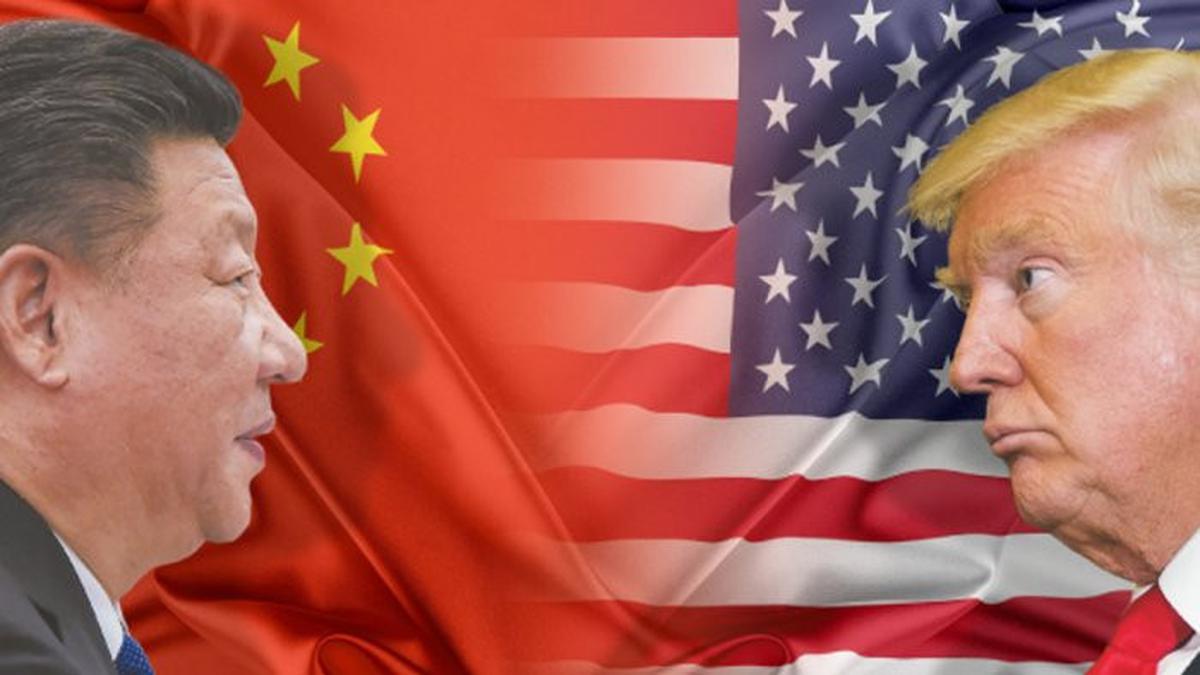
Since Trump returned to the White House in January, the United States has imposed additional tariffs of 145 percent on a slew of Chinese goods.
That includes duties initially imposed over China's alleged role in the fentanyl supply chain and later over practices Washington deems unfair.
Beijing has responded with retaliatory tariffs of 125 percent on U.S. goods.
But Trump acknowledged Tuesday that 145 percent was a "very high" level, and that it would "come down substantially."
"They're not going to get anywhere near that," but "it's not going to be zero," the president said.
"Ultimately, they're going to have to make a deal because otherwise they're not going to be able to transact in the United States."
His comments came after Treasury Secretary Scott Bessent said at a closed-door event Tuesday that the tariffs amounted to a reciprocal trade embargo.
But he said he expected a de-escalation in the near future, according to a person in the room.
Such a development should bring some relief to markets, he added at the event hosted by JPMorgan Chase, which was not open to the media.
Wall Street’s major indexes jumped after reports of Bessent’s comments, which came on the sidelines of the International Monetary Fund and World Bank’s Spring Meetings. Asian markets were broadly higher on Wednesday.
Bessent said there was still much to be done at the end of the day with Beijing, but he noted the need for fair trade and said China needed to rebalance its economy.
The Treasury chief stressed that the goal was not to decouple from China, noting that container bookings between the two countries have fallen recently as trade tensions escalate.
Also on Tuesday, White House Press Secretary Karoline Leavitt told reporters that Washington was “doing very well with respect to a potential trade deal with China.”
“The president and the administration are setting the stage for a deal,” she added, noting that “the ball is moving in the right direction.” She said her sense is that the parties involved want to see a trade deal happen, although China has not confirmed that it is negotiating with the United States.
As global finance ministers and central bankers gather in Washington this week, all eyes are on progress in trade talks on the sidelines of the spring meetings as countries grapple with Trump’s sweeping new tariffs.
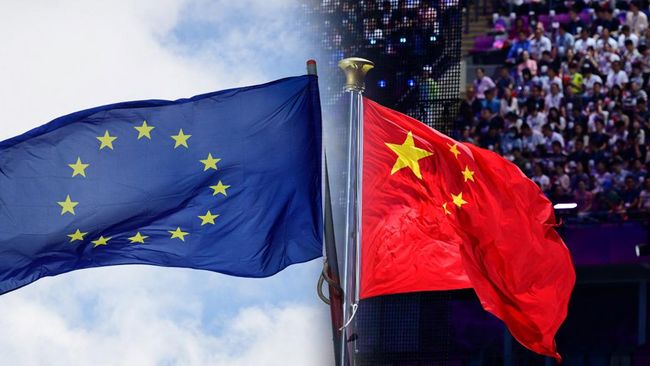
Chinese Foreign Minister Wang Yi, meanwhile, urged Tuesday in a phone call with his British and Austrian counterparts that Britain and the European Union work with Beijing to safeguard international trade.
Japan is reportedly eyeing a second visit to Washington by tariff envoy Ryosei Akazawa next week, with local media saying Tokyo is considering concessions to appease Trump.
Japan’s Sumitomo Rubber, which recently bought the Dunlop brand, said it would raise prices for tires for cars and light trucks in the United States and Canada by up to 25 percent starting in May.
Source: Bloomberg