Trump Threatens Kharg, Oil Market Enters New Phase
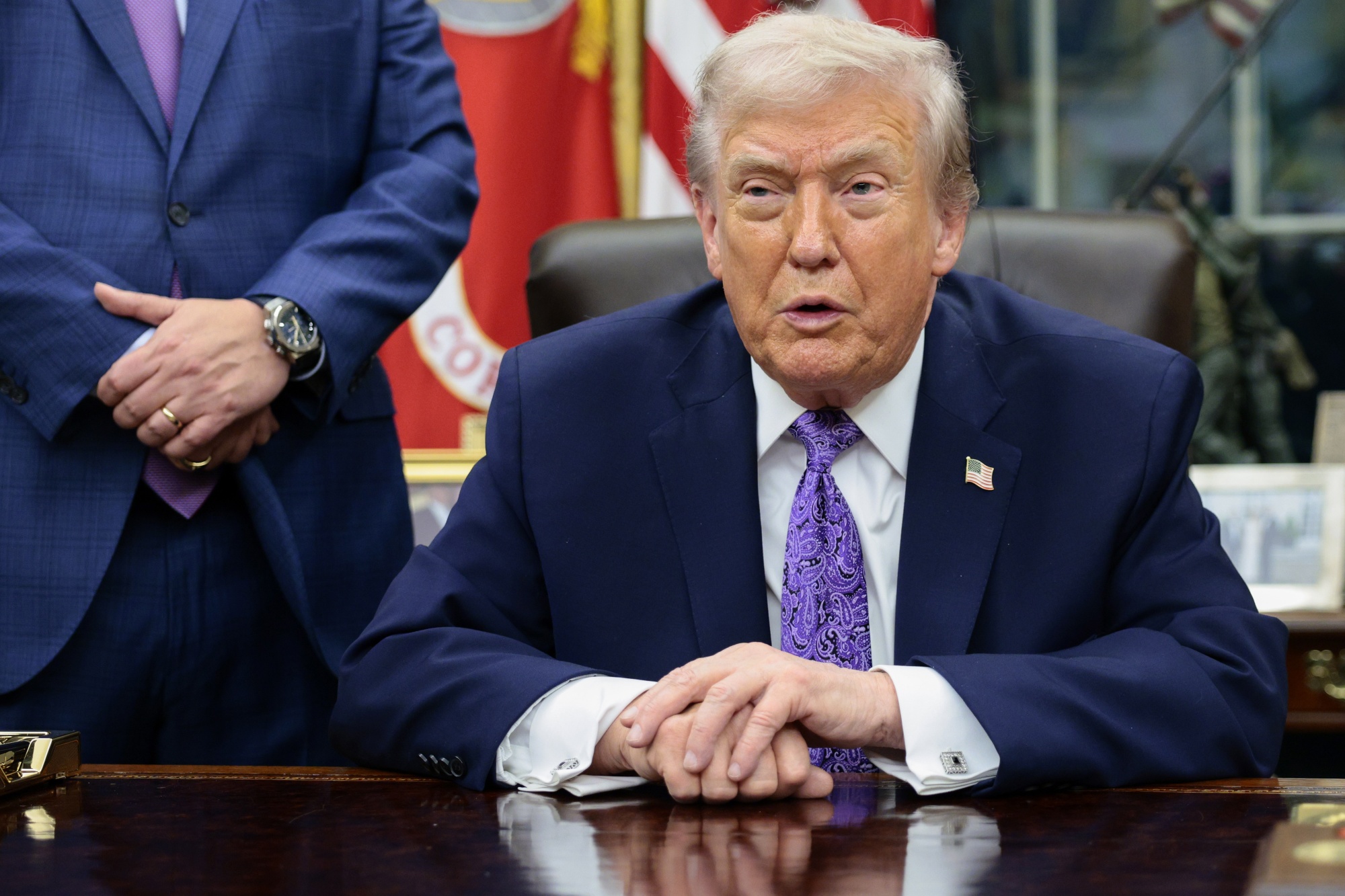
US President Donald Trump has again ratcheted up pressure on Iran, declaring that the United States will strike Tehran “very hard” and threatening to seize Iran’s strategic energy infrastructure, including Kharg Island. This statement comes after a two-month ceasefire collapsed following the downing of a US military helicopter and a series of retaliatory strikes between the two countries. Reuters also reported that Trump had previously stated that the US would attack Iran if a peace deal was not reached soon.
Kharg Island is crucial because it is a major hub for Iranian oil exports. The Council on Foreign Relations notes that this small island in the Persian Gulf handles approximately 90% of Iran’s crude oil exports, making any threat to the region potentially transforming the conflict from a military standoff into a direct threat to global energy supplies.
Trump’s threat also increases the political risk for Washington. Taking Kharg Island would be more than just an air operation; such a move would likely require a larger military engagement and risk putting US forces in a more precarious position. At the same time, the war is becoming increasingly sensitive domestically due to high energy prices and growing questions about US involvement in the Middle East.
From a diplomatic perspective, this statement could narrow the negotiating space. Trump accused Iran of taking too long to sign an interim peace deal, while Tehran still holds leverage through the Strait of Hormuz and regional energy infrastructure. If the threat against Kharg is interpreted by Iran as an attempt to seize strategic assets, the talks process risks becoming increasingly difficult to move forward.
For the market, the key message is clear: the energy supply risks are not over. If Kharg or Iran's oil export hubs are actually targeted, oil prices could potentially reintroduce a higher risk premium. The transmission channels will be immediately felt: oil prices will rise, energy inflation will strengthen, expectations of higher interest rates will persist, and pressure could spread to stocks, bonds, gold, and currencies.
For now, investors will be monitoring three key factors: whether Trump's threats translate into actual military action, whether Iran will intensify its interference in the Strait of Hormuz, and whether diplomacy is still viable. As long as these three factors remain unclear, volatility in global energy and asset markets is likely to remain high. (gn)
Source: Newsmaker.id