Iran Has Yet to Respond, US Claims “Defensive” Attack in Hormuz
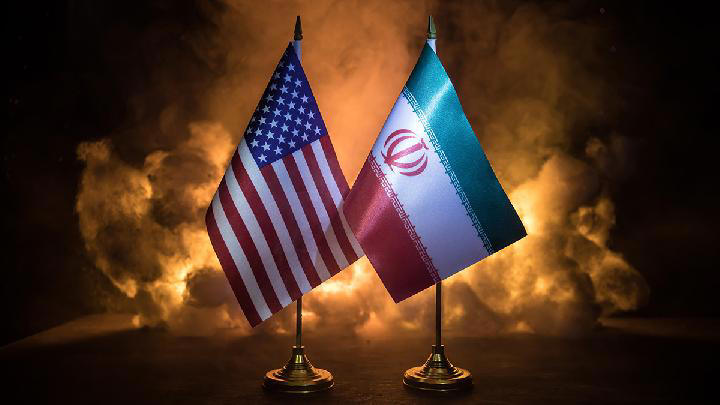
The US said it was awaiting a “soon” Iranian response to President Donald Trump’s latest proposal to end the war, as overnight clashes again tested the nearly month-old ceasefire. Secretary of State Marco Rubio said Iran “should” respond by Friday (May 8), while Tehran said its response was “under review,” without providing a timetable.
The proposal document sent Wednesday essentially offered a gradual de-escalation path: Iran would reopen the Strait of Hormuz, while the US stated it would end its blockade of Iranian ports within a month. However, the proposal also implied that other core issues, including negotiations on Iran’s nuclear program, would remain next steps and were not addressed in the initial package.
On the ground, the risk of escalation has not subsided. US Central Command (Centcom) said its forces carried out airstrikes on two empty Iranian oil tankers that it said were attempting to breach the blockade, and previously targeted missile and drone launch sites it claimed were linked to attacks on three US warships transiting through Hormuz. Centcom stated that no ships were hit, and Trump reiterated that the ceasefire was still in effect after the exchange of fire.
Iran accused the US of violating the ceasefire agreement and reported that a cargo ship was hit in an overnight clash that injured 10 sailors, while the United Arab Emirates said it was targeted by two ballistic missiles and three drones, resulting in three moderate injuries. Iran also said it seized a tanker in the Gulf of Oman that it said was carrying its own oil. In the market, Brent held around US$100 per barrel and is still down about 7% for the week, reflecting prices shifting between the opportunity for diplomacy and the risk of further escalation—with the status of the Strait of Hormuz remaining a key variable for global energy risk premiums. (Arl)
Source: Newsmaker.id