Hormuz Threat Continues, Market Ignores Iran-US Rhetoric as Oil Retreats
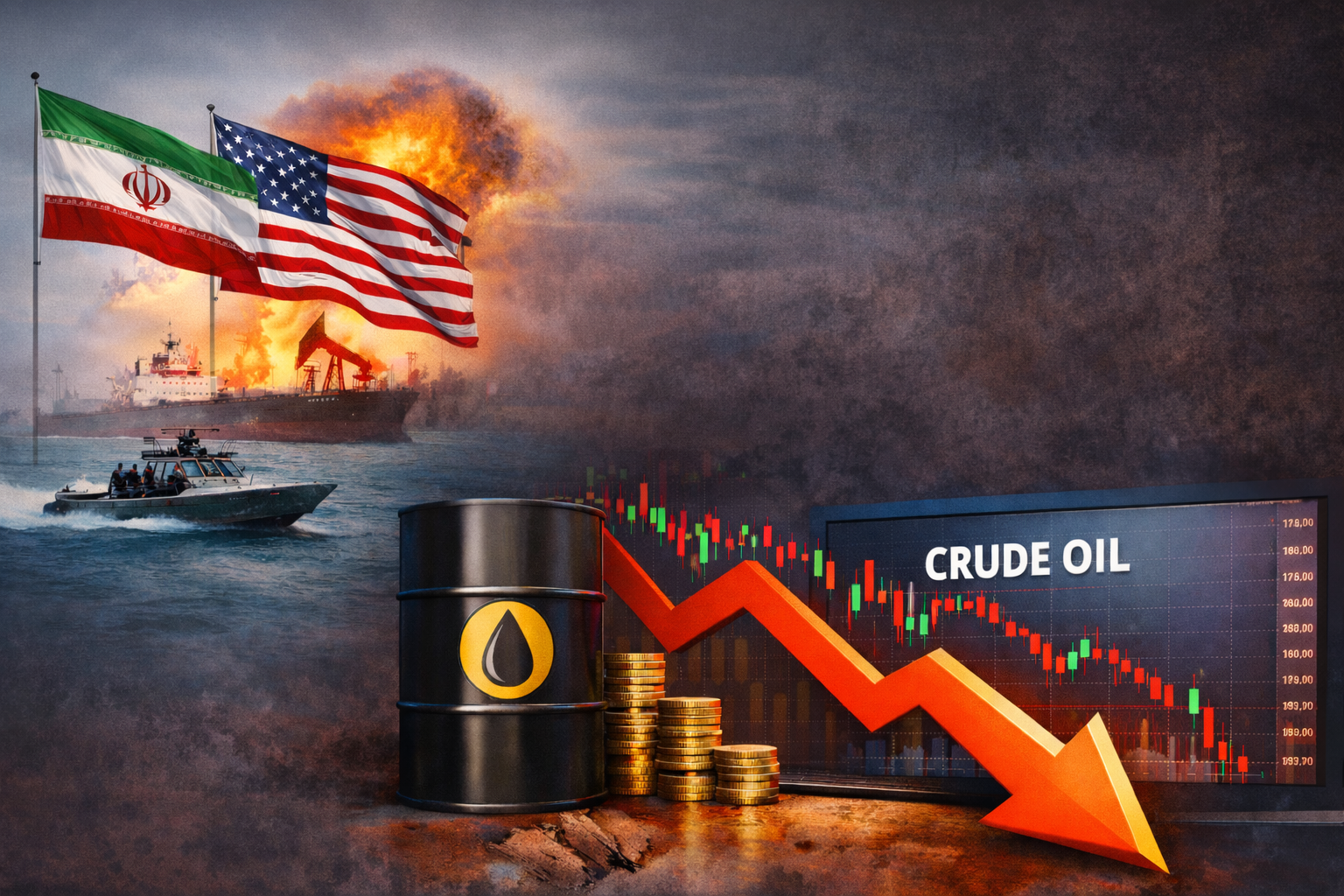
Iran's Revolutionary Guard Corps said on Tuesday it would not allow "a single liter of oil" to be shipped from the Middle East if US and Israeli attacks continue. The statement prompted a response from US President Donald Trump, who warned Washington would strike Iran "much harder" if Tehran blocked energy exports, including tanker traffic in the Strait of Hormuz.
The escalating rhetoric did little to stem the sharp decline in oil prices and a recovery in global stocks, following Trump's statement that hostilities could end "very soon." The market moves came amid signs of defiance from Iran following the appointment of Mojtaba Khamenei as its new supreme leader, as well as Trump's message that the US had inflicted serious damage on the Iranian military and that he expected the conflict to end sooner than his stated four-week timeline.
Differences in the objectives of the war remain prominent. Israel has stated its goal is to overthrow Iran's clerical system. US officials have essentially stated Washington's goal of destroying Iran's missile capabilities and nuclear program, while Trump has implied the war can only end with a "compliant" Iranian government. Iran's ambassador to the UN said at least 1,332 Iranian civilians have been killed and thousands injured since US-Israeli air and missile strikes in late February.
Supply risks remain centered on the Strait of Hormuz, which handles a fifth of the world's oil supply. The war has effectively closed the strait, preventing tankers from sailing for more than a week and forcing producers to halt pumping as storage facilities fill up. Trump warned of escalating attacks if Iran tries to block the strait, while Iran declared "we will determine the outcome of the war," and Foreign Minister Abbas Araqchi said Iran would likely not resume negotiations with the US.
The market is also monitoring options to stem the supply shortage that Trump discussed after his talks with Russian President Vladimir Putin, including the possible lifting of oil-related sanctions on "some countries," with sources saying one option is further easing restrictions on Russian oil. Brent crude oil fell more than 10% on Tuesday after surging 29% on Monday to its highest level since 2022, while political sensitivity about US gasoline prices has increased ahead of the November midterm elections, amid surveys showing public expectations of rising gasoline prices. (alg)
Source: Newsmaker.id