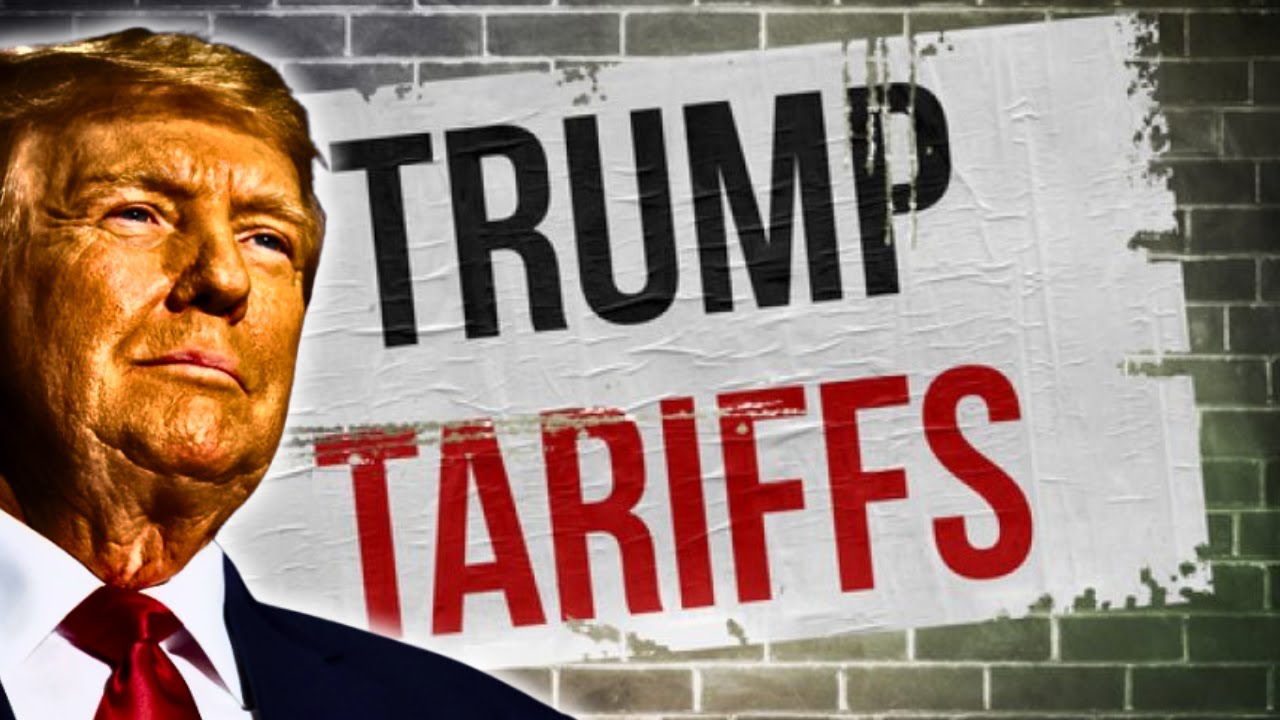
Trump Cancels “Reciprocal” Tariffs, Changes to 10% Tariff Scheme
US President Donald Trump said on Friday (February 20) that he would sign an executive order imposing new global tariffs of 10%, just hours after the US Supreme Court struck down most of his previously imposed “reciprocal” tariffs—a major blow to his trade agenda.
Trump asserted that these 10% tariffs would be added to existing tariffs and would remain in effect despite the Supreme Court ruling. At a press conference at the White House, he also expressed disappointment with the court’s decision.
The new tariffs are said to be imposed through Section 122 of the Trade Act of 1974, which gives the president the authority to impose tariffs within a specific framework. This scheme has a duration limit, so it is not automatically permanent.
Under the rule, the tariffs can only be in effect for 150 days, and any extension would require Congressional approval. When asked about the time limit, Trump responded that the administration has ample room to act. Trump also added that tariffs already in place through other legal channels—including those commonly associated with Section 232 and Section 301—will remain "in full force and effect." This means that while one channel has been narrowed by the Supreme Court ruling, other tariff instruments remain in place.
Furthermore, the government is reportedly still preparing further action through the Section 301 investigation into alleged unfair trade practices, which could potentially open up additional tariffs in the future. Market focus is now on implementation details, country/product coverage, and how key trading partners will respond to Washington's new measures.
Source: Newsmaker.id