IAEA: Iran's Time Is Running Out, Diplomatic Window Almost Closing
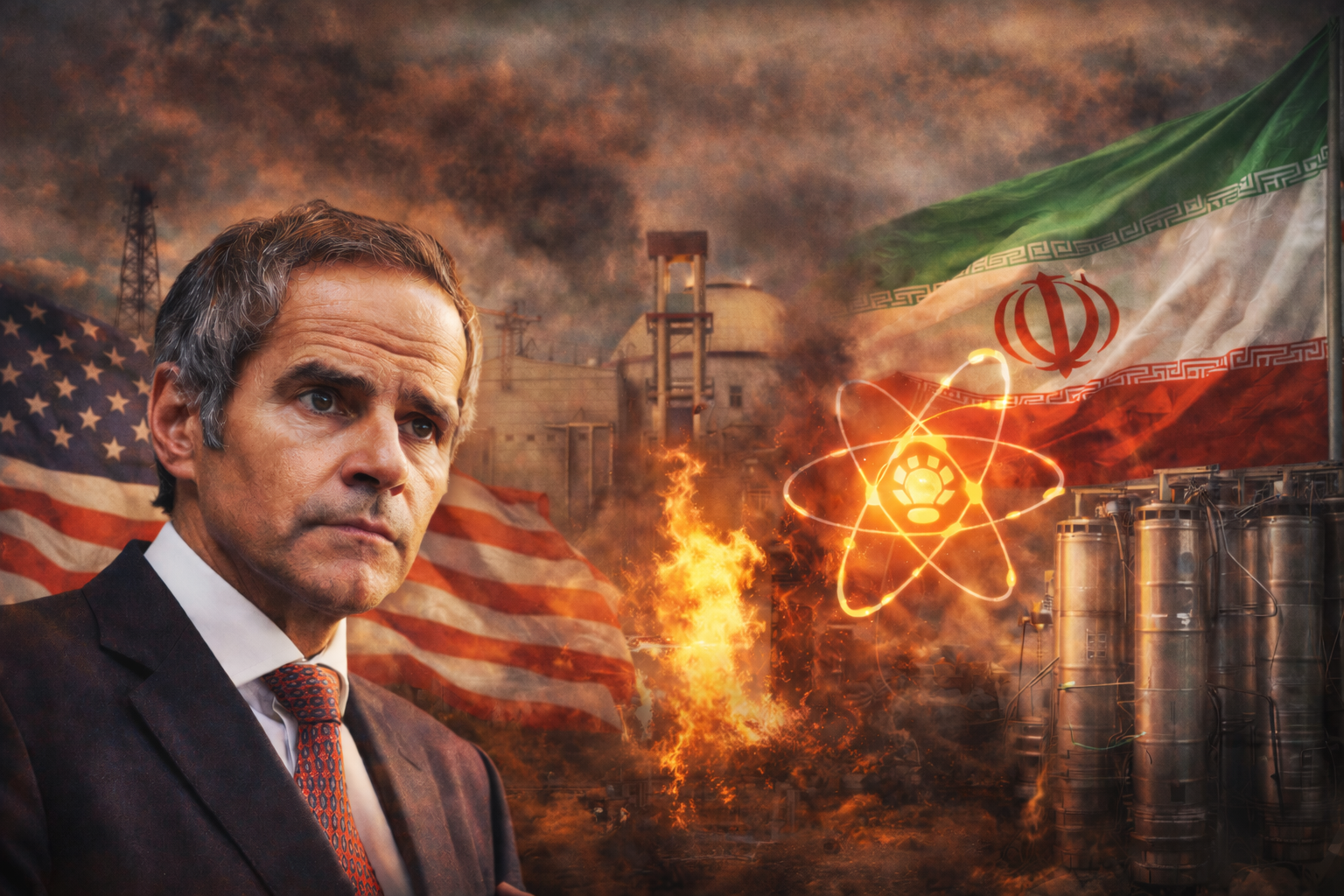
The increased US military presence in the Middle East risks narrowing Iran's window for reaching a diplomatic agreement on its nuclear activities, according to International Atomic Energy Agency (IAEA) Chief Rafael Mariano Grossi. He believes the time to ensure diplomatic channels remain open is increasingly limited as tensions in the region escalate.
Grossi said the IAEA has discussed concrete proposals with Iranian Foreign Minister Abbas Araghchi to inspect several sites said to have been targeted in attacks last year, including the affected facilities in Fordow, Isfahan, and Natanz. However, whether these inspection plans can be completed quickly remains an open question.
According to Grossi, IAEA inspectors have not been able to verify the condition of Iran's uranium stockpile, which is nearing sensitive levels, or fully assess the extent of damage to enrichment facilities in recent months. This situation makes verification a crucial issue because, without on-the-ground inspections, an independent assessment of the status of the nuclear program will be difficult. Grossi also mentioned meeting with US President Donald Trump's envoy in Geneva, amid Washington's assertion that last year's attacks "destroyed" Iran's nuclear capabilities, but still threatening further action if a new agreement is not reached. He emphasized that the IAEA's return to the damaged facility ultimately depends on reaching a broader agreement between the parties.
On the diplomatic front, Iran and the US both expressed cautious optimism after the Geneva meeting, with Iran saying there had been a "general understanding" on the principle of nuclear restrictions in exchange for sanctions relief, and both sides agreed to prepare proposals before the next meeting. However, at the same time, the US continued to expand its military assets in the region, while Iran conducted joint exercises that disrupted traffic around the Strait of Hormuz, a vital chokepoint for global energy exports.
The crux of the impasse remains the issue of uranium enrichment: Israel and the US are pushing for a complete halt to enrichment activities, while Iran insists on maintaining some capacity for peaceful purposes. Grossi emphasized that there would be no credible agreement without the IAEA's robust verification capabilities, making efforts to "bridge the red lines" between the two sides key to ensuring diplomatic channels are not completely closed. (alg)
Source: Newsmaker.id