Trump's Maximum Pressure, Gaza Ceasefire Achieves
A senior White House official said President Donald Trump has been using "maximum pressure" on Israel over the past month to push for a ceasefire and hostage-release agreement with Hamas, ending the two-year Gaza war. Without publicly threatening to cut off arms supplies, Trump capitalized on Israel's reliance on US support—especially after Israel's September attack on Doha that angered Washington and its Arab partners.
Trump said he would soon travel to the Middle East to "celebrate" his tough approach. His personal relationships with Arab leaders combined with direct pressure on Prime Minister Benjamin Netanyahu created a rare moment of multilateral diplomacy. Many regional officials credit Trump's push, though they cautioned that Gaza's political future remains complicated.
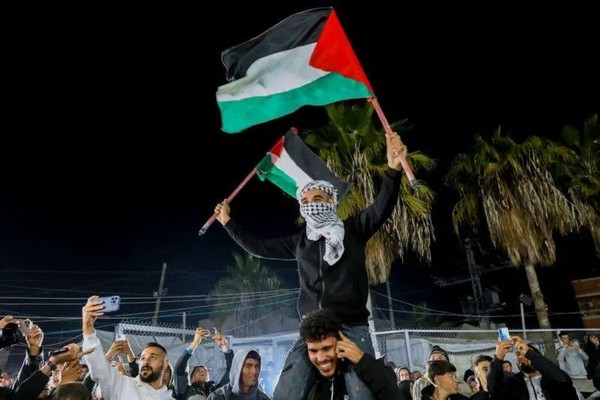
The push intensified after the September 9 Doha attack and a meeting on the sidelines of the UN General Assembly on September 23, when Trump categorically rejected the West Bank annexation plan. The final round took place this week in Sharm el-Sheikh in a marathon session lasting approximately 20 hours with envoys Steve Witkoff, Jared Kushner, and Arab officials. The turning point: the agreement is split into two phases, with the first phase encompassing a ceasefire, a partial Israeli troop withdrawal, and the release of Palestinian hostages and prisoners.
To maintain trust, the US will establish a joint task force in Israel—led by CENTCOM Commander Admiral Brad Cooper—with personnel from the US, Qatar, Egypt, Turkey, and possibly the UAE, to oversee implementation and prevent violations. But the long-term issues remain thorny: the disarmament of Hamas, governance of Gaza (including the role of the Palestinian Authority), a full Israeli withdrawal, and reconstruction of the devastated territory—some of which Netanyahu had previously rejected.
Politically, the current context differs from Joe Biden's efforts last year: domestic and international pressure on Israel is mounting, while the hostage release gives Netanyahu political capital ahead of the election. For Trump, his “hardball” style and coordination with regional partners align with broader goals—from regional realignment to expanding the Abraham Accords. The big question is whether Trump will oversee the next phase, or “declare victory” and then withdraw, which could derail the next phase.
Key points:
- Trump applied maximum pressure on Israel, resulting in a ceasefire and hostage agreement.
- Two-phase negotiations: Phase 1 (ceasefire, partial withdrawal, hostage-prisoner exchange).
- A US-led joint task force to oversee implementation on the ground.
- Long-term issues (disarmament, governance, full withdrawal, reconstruction) remain unresolved.
- Going forward, the key to success: sustained political commitment from all parties—not just an initial breakthrough. (asd)
Source: Newsmaker.id