Trump Raises Global Tariffs, Global Trade Shifts
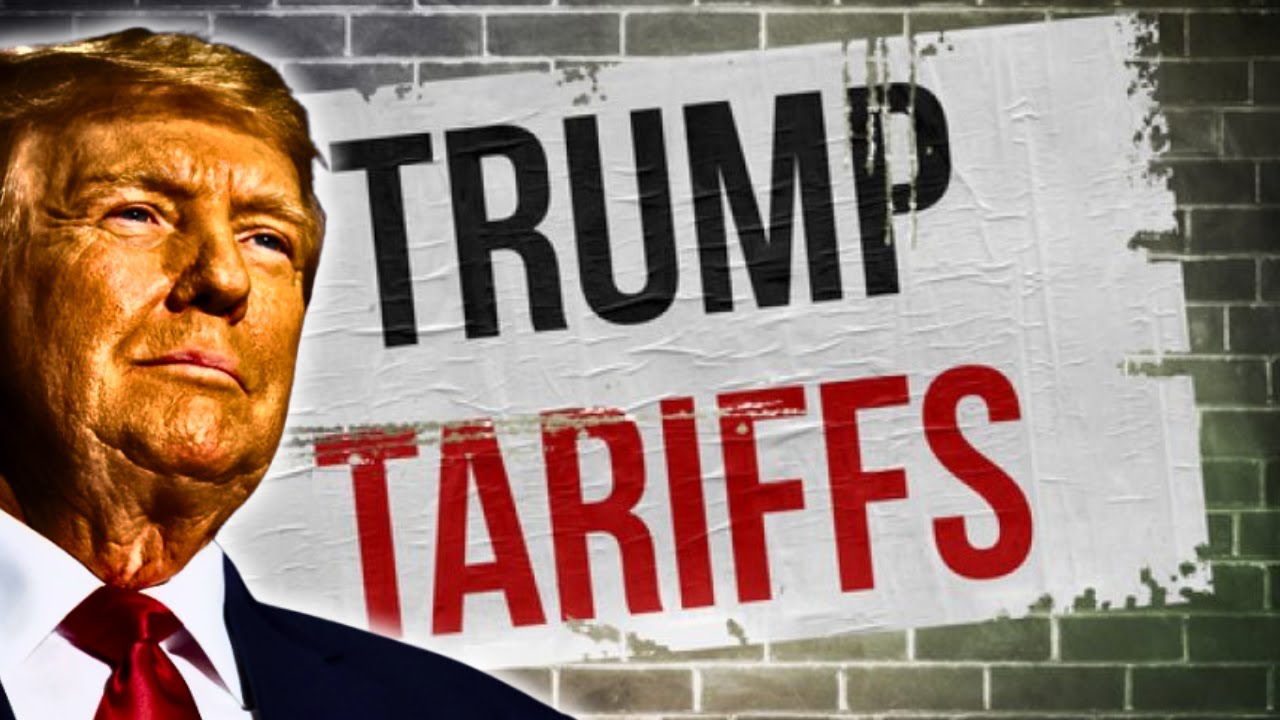
President Donald Trump officially raised import tariffs on goods from various countries, causing the average US tariff to jump from 13.3% to 15.2%. This move was taken to reshape the global trade landscape and reduce the United States' trade deficit. While most trading partners remain subject to 10% tariffs, some countries, such as Canada, Switzerland, and New Zealand, have seen significant increases of up to 35–39%.
The new tariffs take effect at midnight on August 7th and will have a significant impact on industrialized nations such as the European Union, Japan, and South Korea, which are now subject to 15% tariffs. Meanwhile, goods from Mexico, Canada, and China will face higher tariffs. Trump also plans additional tariffs on critical sectors such as pharmaceuticals, semiconductors, and strategic minerals in the coming weeks.
Global markets immediately responded negatively. Global stock indexes like the MSCI All Country fell 0.2%, Asian stocks declined for six consecutive days, and currencies like the Korean won and Taiwanese dollar weakened. Swiss products were even hit with the highest tariff of 39%, sparking concern in the foreign exchange market.
Countries such as Taiwan, South Africa, and Vietnam were also affected, each subject to tariffs ranging from 20% to 30%. Other Southeast Asian countries such as Thailand, Cambodia, Indonesia, and the Philippines were subject to a uniform tariff of 19%. Several countries expressed surprise at this sudden decision, while the US stated that it would still develop additional regulations, such as "rules of origin" to prevent tariff evasion.
This move is part of Trump's promise to impose reciprocal tariffs to protect domestic industries. However, significant uncertainty remains in the business world as many key details have not been announced. Former trade negotiator Wendy Cutler warned that US customs will face significant challenges in enforcing this rule globally. (ayu)
Source: Newsmaker.id