Negotiations Heat Up: Will Japan Retaliate Against Trump?
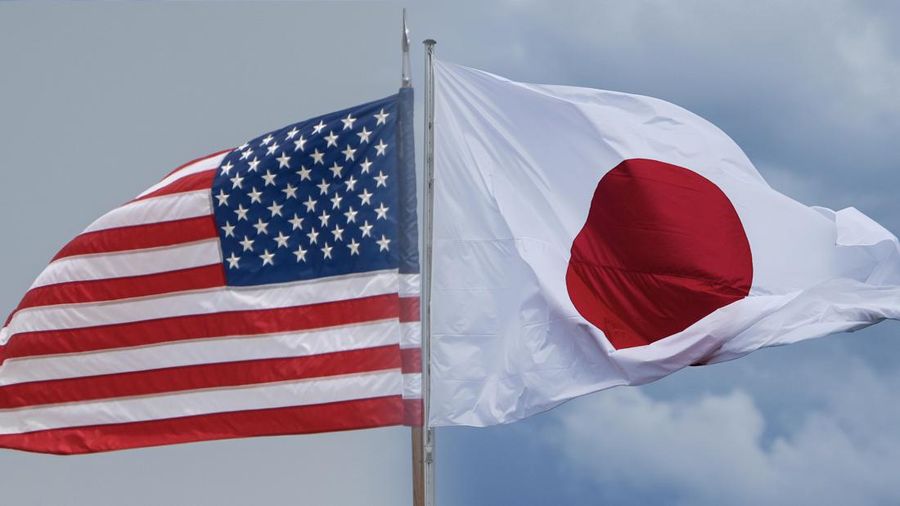
US President Donald Trump has again made a surprising statement by threatening to impose tariffs of up to 35% on Japan. This statement came in a series of trade tensions that have been going on for three consecutive days. Trump called Japan a "spoiled" country and emphasized that the US trade deficit with Japan must be reduced immediately, triggering market concerns about the worst possible outcome.
Trump made this threat ahead of the trade talks deadline on July 9. He considered that Japan had not been cooperative enough in the negotiations, and if there was no agreement, then high tariffs could be imposed immediately. Meanwhile, the Japanese government under Prime Minister Shigeru Ishiba chose to take a firm but friendly stance, rejecting unilateral offers and wanting all tariffs to be eliminated, including on the automotive, steel, and aluminum sectors.
Market players predict a major impact on the Japanese economy if negotiations fail. The Nikkei 225 index has fallen slightly to 39,762, and the yen has also weakened against the US dollar. Some analysts predict that if an agreement is not reached, the index could fall to 38,000 or even lower. Japan’s auto industry is one of the most vulnerable sectors, accounting for nearly 10% of GDP and employing millions of people.
Diplomats and economic observers have suggested that Japan should lobby Trump more directly. Former Japanese ambassador to the US, Ichiro Fujisaki, said it was important to “convince Trump personally” because there are still many loopholes in negotiations, such as the US’s dependence on Japanese semiconductor raw materials. However, others believe that Trump’s high pressure is part of a tactic to force concessions ahead of the election and not solely for economic results.
Despite the tense situation, some investors see opportunities behind these concerns. According to Phillip Wool of Rayliant Global Advisors, there is a political element to every move Trump makes, as he wants to appear tough in the eyes of the US public. If panic sets in and markets are depressed in the short term, it could be an attractive buying moment for long-term investors.
Source: (ayu-newsmaker)