US Pushes New Lebanon Plan
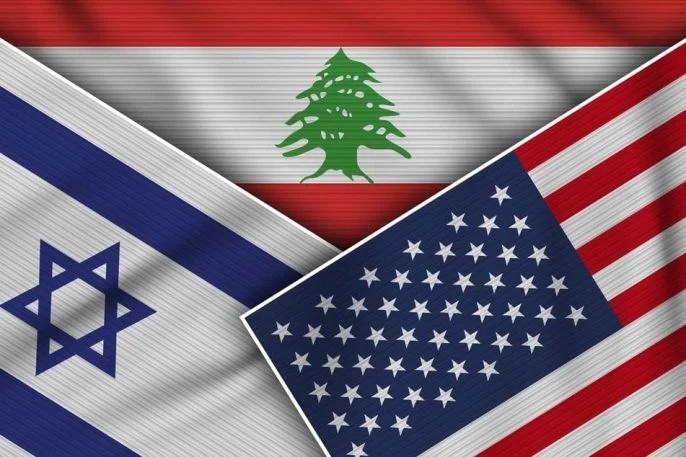
Talks between Israel and Lebanon have again drawn attention after the two sides discussed a US-backed proposal for a partial withdrawal of Israeli troops from southern Lebanon. The proposal would see some areas controlled by Israel during the war with Hezbollah handed over to the Lebanese military as part of a pilot zone.
Israeli officials said Lebanese troops stationed in the area would undergo training and vetting by the United States. This is to ensure they have no ties to Iran-backed Hezbollah. Despite the planned transfer of territory, Israel still wants to maintain a military presence in a buffer zone along the border to protect northern Israel from potential Hezbollah attacks.
The latest talks between Israeli and Lebanese officials have been underway in Washington since Tuesday. A senior Lebanese security official said discussions are ongoing and will include technical military discussions, including determining the pilot zone area and a troop withdrawal schedule. A final plan is expected to be announced after the talks conclude on Thursday.
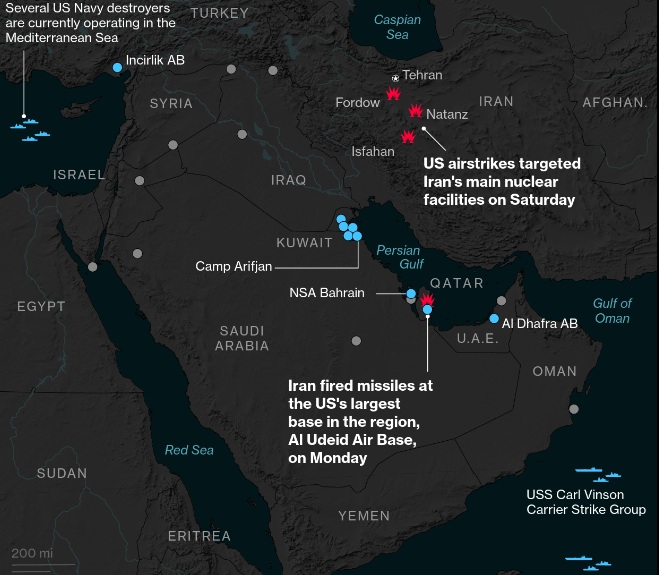
However, this diplomatic path has been challenging, as Hezbollah has rejected the proposal. The group remains a major factor in the Lebanon-Israel conflict, while Iran has made Lebanon a key sticking point in its negotiations with the United States. This situation makes the Israel-Lebanon talks not only a bilateral issue, but also part of the broader US-Iran negotiations in the Middle East.
The latest war between Hezbollah and Israel erupted after the group attacked Israel in solidarity with Tehran at the start of the US-Israel war against Iran. The ceasefire has largely held since Sunday, but Israeli troops remain deep inside southern Lebanon. Israel says this presence is necessary to establish a security zone to prevent attacks on northern Israel.
Last week's interim agreement between Iran and the United States also calls for a permanent cessation of military operations on all fronts, including Lebanon. The agreement emphasizes the importance of maintaining Lebanon's sovereignty and territorial integrity. If the pilot zone proposal is successfully implemented, it could be a first step toward de-escalating the conflict. However, if Hezbollah strongly rejects it or Israel maintains an overly broad security zone, the risk of renewed tensions could arise. (arl)
Source: Newsmaker.id