Iran–Israel Claim to Have Withstood Attacks, Risks Remain in Hormuz and Lebanon!
Iran and Israel have declared a reduction in the intensity of attacks after the latest escalation threatened the path to peace negotiations and prompted US President Donald Trump to call for de-escalation. Israeli Prime Minister Benjamin Netanyahu said Israel would hold fire on Iran "for now" but would respond if Tehran attacks again.
This signal of de-escalation was overshadowed by the fact that Israel is said to be continuing its major offensive in southern Lebanon, where it is fighting against the Iranian-backed Hezbollah. Tehran previously announced a halt to its military operations against Israel, but Iran's central military command warned that if Israel continues its attacks—including in southern Lebanon—a "harsher and more devastating" response would follow.
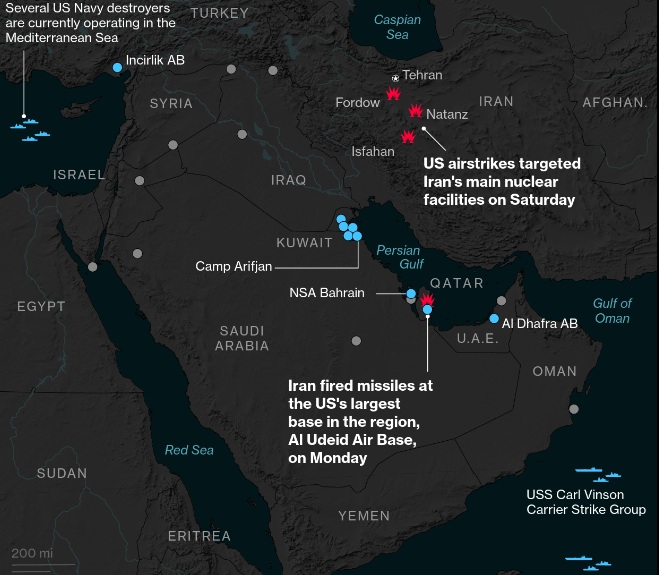
Uncertainty also arose after a New York Times report that a US Apache helicopter crashed near the Strait of Hormuz, and it was unclear whether the incident was caused by a technical problem or was shot down by Iran. The two crew members were reportedly rescued, while Trump said an official report would be released on Tuesday.
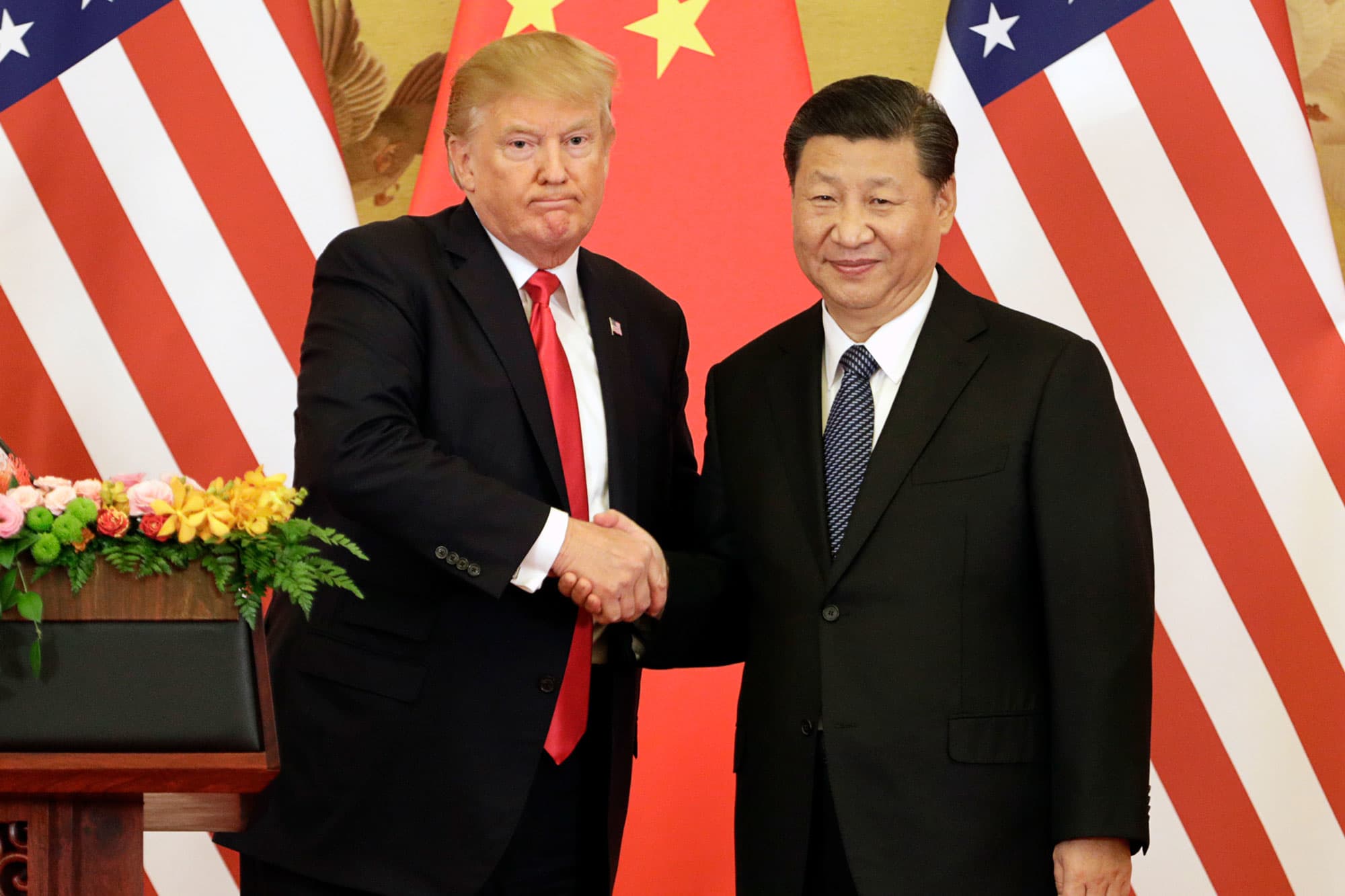
The statements from both sides came after Trump spoke by phone with Netanyahu, which was confirmed by White House officials without providing details of the conversation. Netanyahu said he conveyed to Trump that Israel has the right to defend itself, and rejected Iran's warning that an Israeli attack on Hezbollah in Lebanon would trigger a new Iranian attack. Trump himself reiterated that ceasefire talks were "in their final stages," although he acknowledged that the process could be disrupted by "ignorance or stupidity."
Markets responded to the de-escalation signals by reducing some risk premiums. Brent fell nearly 1% to around US$93.40/barrel, and the Bloomberg Dollar Index weakened slightly. However, the primary focus remains on whether energy flows in the Strait of Hormuz can significantly recover. While there are signs that commercial vessels are beginning to resume passage, some vessels are said to be sailing with their transponders turned off—a reflection of the perceived high security risk.
The threat of escalation has also shifted to other fronts. The Iran-backed Houthi group in Yemen claimed to have launched a barrage of missiles at Israel and announced a total ban on navigation for Israeli vessels in the Red Sea. Israel reported intercepting suspicious air targets from Yemen after sirens sounded in the Eilat region, reinforcing the market's message that a "relief" at one point does not automatically mean a complete reduction in regional risks. (Asd)
Source: Newsmaker.id