De-escalation? Lebanon Remains a Trigger
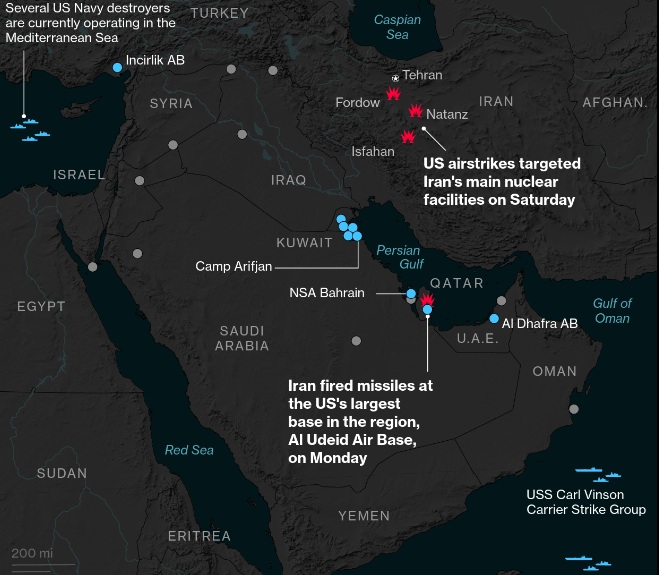
Iran and Israel declared a restraint in their attacks after a weekend escalation threatened the path to peace negotiations and prompted US President Donald Trump to call for de-escalation. Israeli Prime Minister Benjamin Netanyahu said Israel would temporarily hold fire on Iran, while Iran previously announced a halt to its military operations against Israel.
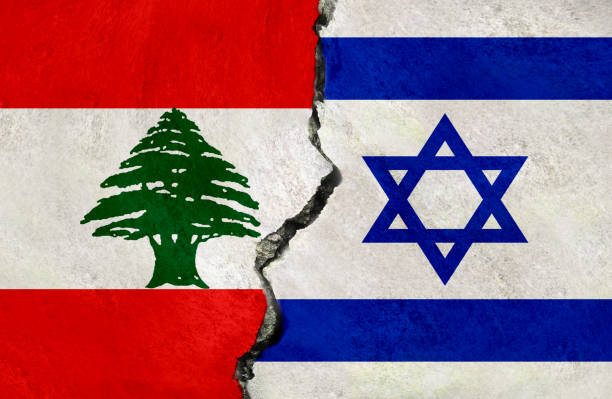
However, this signal of de-escalation was overshadowed by a stern warning from Tehran. Iran's central military command said that if Israel continued its attacks—including in southern Lebanon—a "much harsher" response would follow. For Israel, Netanyahu rejected any "equation" that implied an Israeli attack on Hezbollah in Lebanon would be retaliated by Iran, asserting that Israel still claims the right to self-defense.
The situation is further complicated by the fact that the Israel-Hezbollah war in Lebanon is said to be continuing "in full swing," so the risk of regional escalation has not completely disappeared. Hours after the de-escalation statement, Iranian President Masoud Pezeshkian wrote that his country had not abandoned the "field" or the "negotiation table," indicating that Tehran remains committed to two paths: military pressure and diplomacy.
In energy markets, oil prices briefly surged, then pared gains after signs emerged that both sides were attempting to exercise restraint. However, Iran's threats to target oil and gas facilities linked to Israel, the US, and allies if its energy infrastructure is attacked again have kept risk premiums high.
An additional front has also emerged from Yemen. The Iran-backed Houthi group claimed to have launched missile attacks on Israel and declared a total ban on maritime navigation for "enemies of Israel" in the Red Sea. If these threats continue, trade and energy routes could face further disruption, making the market once again highly sensitive to geopolitical headlines. (arl)
Source: Newsmaker.id