Lebanese President Accuses Iran of “Using Lebanon as a Bargaining Chip”
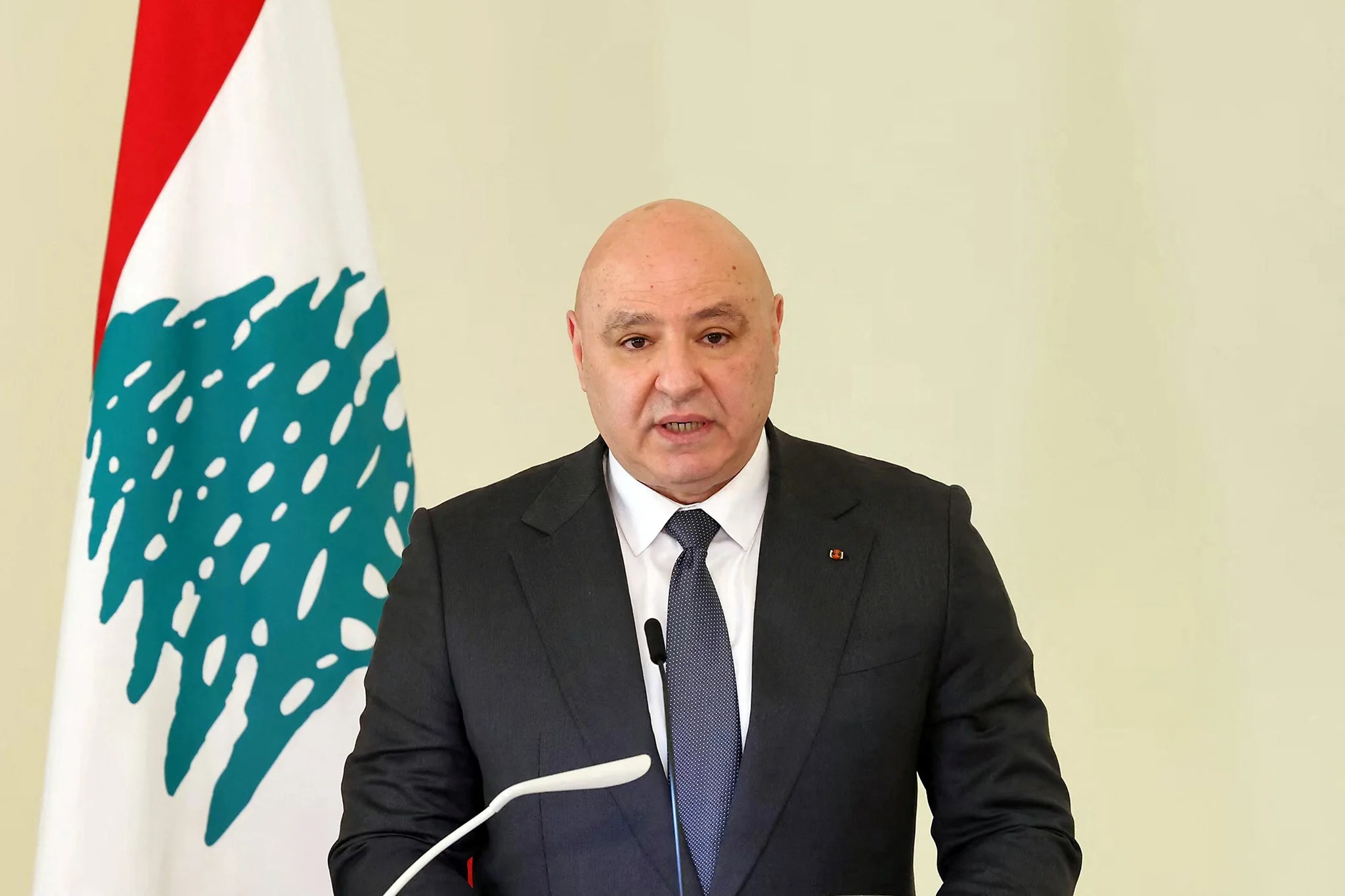
Lebanese President Joseph Aoun sharply criticized Iran on Friday (June 5), accusing Tehran of using Lebanon as a “bargaining chip” in negotiations with the United States. In an interview with CNN, Aoun said the Lebanese people were “paying a price” for Iran’s interests and were “fed up” with the war between Israel and Hezbollah, reflecting the deepening political-sectarian rift within the country.
Aoun called the practice “unacceptable,” noting that the latest conflict erupted more than three months ago when Hezbollah began firing rockets in solidarity with Iran after Tehran was attacked by the US and Israel. Hezbollah, a Shiite group founded in 1982 with the support of Iran’s Revolutionary Guards, remains Iran’s main ally in Lebanon.
A former Lebanese army commander and president of the Maronite Christian community under Lebanon’s sectarian power-sharing system, Aoun has been pushing for Hezbollah’s peaceful disarmament. He even called for direct dialogue with Israel early in the war, a position that put him at odds with Hezbollah.
Aoun's statement came as Iran made a ceasefire in Lebanon a condition of a broader deal with Washington to end the regional conflict since the US-Israeli offensive on February 28. But on Thursday, Hezbollah rejected the ceasefire plan drawn up during US-brokered talks in Washington—a plan that required Hezbollah to halt attacks and withdraw troops from southern Lebanon.
Hezbollah leader Naim Qassem argued that Washington's agreement was rejected by "the vast majority of the Lebanese people." Aoun retorted, "The Lebanese people are not your people," making it clear that the government wants to reclaim the political representation Hezbollah has long claimed over Lebanese society.
Lebanese authorities say Israeli attacks have killed thousands of people since March and displaced some 1.2 million, while Israeli forces control parts of southern Lebanon. These tensions increase domestic pressure on Beirut to find a solution, but also add complexity as Lebanon becomes part of a larger US-Iran negotiating package. (Arl)
Source: Newsmaker.id