US Begins Hormuz Blockade, Markets Reprice Energy Risks
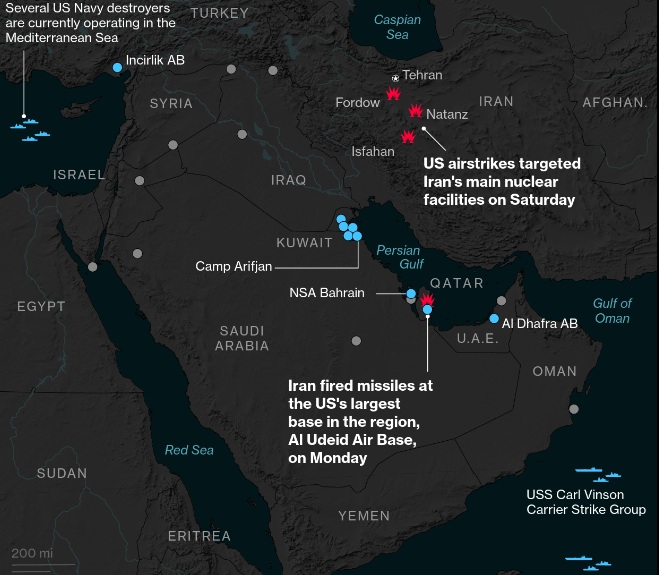
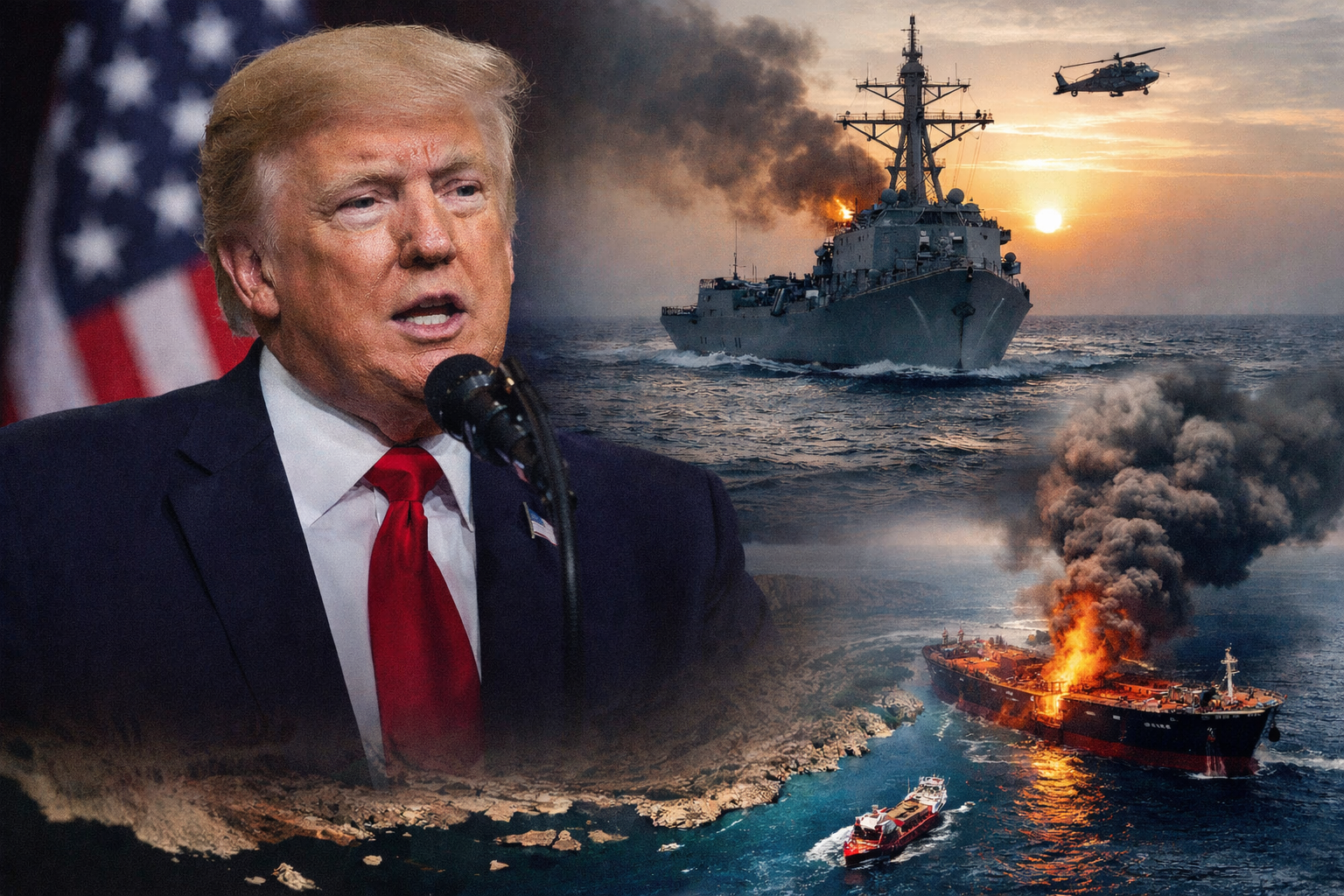
The United States on Monday began blocking ships from entering or exiting the Strait of Hormuz, tightening pressure on Iran after weekend peace talks ended without a deal. The move immediately triggered a shift in market sentiment, with US stocks falling and oil prices rising ahead of the blockade's implementation.
President Donald Trump described the plan as a response to Iran's refusal to halt its nuclear ambitions and accused Tehran of "world extortion" through its restrictions on traffic in the strait. Trump said the blockade applies to "any ship" attempting to enter or exit Hormuz, starting at 10:00 a.m. ET. However, US Central Command added a clause that US forces will not impede freedom of navigation for ships passing through Hormuz to or from non-Iranian ports, indicating a primary focus on flows related to Iranian ports.
Washington also said other countries would be "involved" in the operation, but some US allies—including NATO members Britain and France—have already indicated they will not participate. From Tehran, Iranian officials responded defiantly, warning that the US blockade risks pushing global energy prices higher.
The blockade comes as the fragile US-Iran ceasefire has not yet been officially broken, but is increasingly being eroded by mutual accusations of violations. The ceasefire was agreed to last week after Trump issued an ultimatum. Hopes for a deal were briefly raised when a US negotiating team—including Vice President J.D. Vance—flew to Islamabad for peace talks, but Vance said the US delegation returned home without any results; after 21 hours of negotiations, Iran still refused to commit to not pursuing or developing nuclear weapons.
Markets are now monitoring the technical details of the blockade's enforcement and scope, Iran's response to shipping and maritime infrastructure, and whether diplomatic channels can be reopened amid the risk of escalation that could prolong energy price volatility.
Source: Newsmaker.id