Trump Promises to Lower Energy Prices, Markets Remain Uneasy over Hormuz Risks!
US President Donald Trump said the massive release of emergency oil reserves approved by the International Energy Agency (IEA) would help ease energy price pressures, while emphasizing that the US wants to "finish the job" in its military campaign against Iran. The statement came in a speech in Kentucky on Wednesday night, as the conflict entered an escalating phase that further weighed on global sentiment.
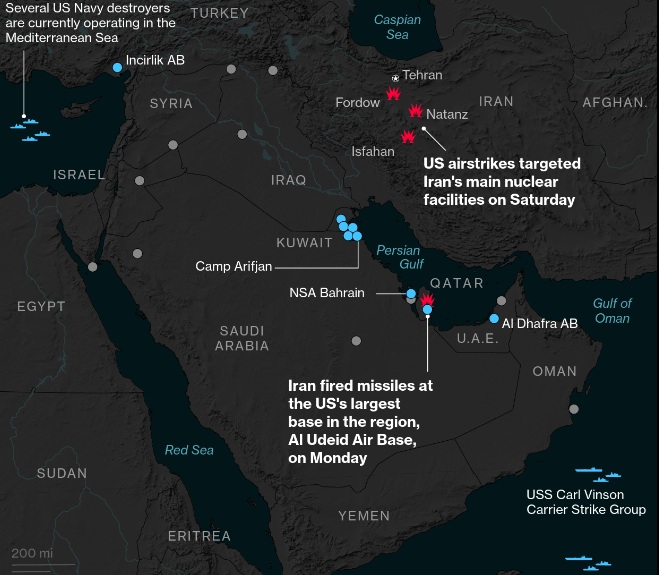
However, the confirmation did little to calm the market. Brent prices returned to near US$100 per barrel after Iraq halted operations at its oil ports following attacks on two tankers offshore. The incident underscored the widespread shipping security risks, not just around the Strait of Hormuz, which is said to remain effectively closed.
Hours after Trump's speech, US Energy Secretary Chris Wright announced plans to release 172 million barrels from the US emergency oil reserves. Wright said the full release would take about 120 days, so the impact on daily market supply would be gradual, not immediate.
The escalation in the region continued overnight. Attacks were reported on energy infrastructure, with at least one fatality in an attack on a tanker off Iraqi soil. Bahrain said Iran targeted fuel tanks, Dubai reported a drone attack on a building, and Saudi Arabia cited another attack, illustrating the widespread risks to energy and logistics assets.
The IEA approved the release of 400 million barrels, described as the largest in history, more than double the 182 million barrels released after Russia's invasion of Ukraine in 2022. Meanwhile, the Strait of Hormuz has reportedly become nearly impassable since the early stages of the war, now in its 12th day, prompting several energy companies to halt production. Trump is also preparing emergency policy options to pave the way for offshore production in Southern California, while the US Development Finance Corporation announced a US$20 billion reinsurance scheme to help revive shipping activity in the Hormuz region.
On the diplomatic front, opportunities for weapons production appear limited. Iran is said to be seeking US and Israeli guarantees against further attacks as a condition for a conflict, while the US believes there is no definitive end date for the operation. Reports of attacks on ships in Hormuz and the Persian Gulf have also increased, including a warning from US Central Command for civilian vessels to avoid port facilities near Iranian naval operations.
Going forward, market impact is expected to remain driven by energy and geopolitical risk factors. If shipping and production disruptions persist, oil prices could remain high due to the supply risk premium, although reserve releases could restrain more extreme activity. In a scenario of escalating tensions, gold is likely to draw support from safe-haven demand, while the US dollar could strengthen defensively through risk-off flows, but could reverse volatility if the oil sell-off triggers inflation concerns and changes Fed interest rate expectations. (asd)
Source: Newsmasker.id