Hormuz Traffic Stalls, Strikes Continue, Global Energy Response Moves Into Emergency Mode
The U.S.–Israel war with Iran has entered a phase of widening spillovers into global markets, with energy logistics and shipping security now at the center of investor focus. As of Wednesday (March 11), airstrikes and retaliatory actions are still being reported across the region, while Iran is also tightening domestic controls to contain dissent—keeping markets firmly in a headline-driven, high-volatility regime.
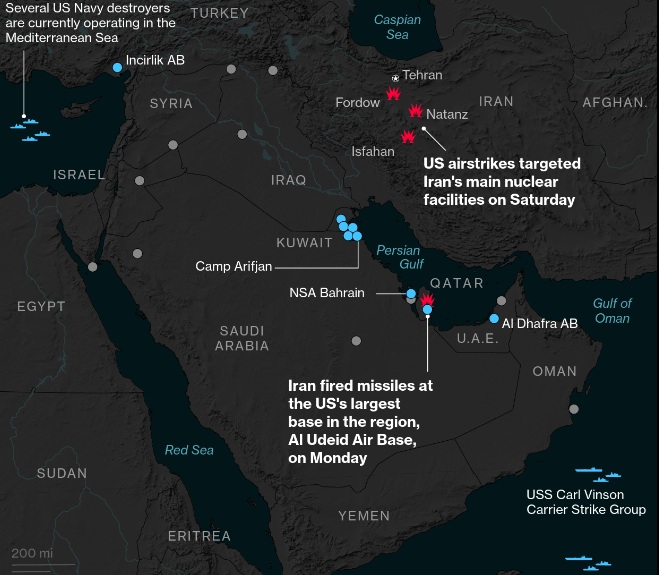
The most critical pressure point remains the Strait of Hormuz, a chokepoint that normally carries a major share of global oil exports. Reuters reported that the U.S. Navy told the shipping industry that escorts through Hormuz are not possible for now, citing the elevated threat environment. The message underscores what markets are increasingly pricing: the problem is not only how much oil is produced, but whether barrels can physically move through the region’s most strategic waterway.
On the battlefield, escalation has extended to energy-linked targets. Reuters reported that Israeli strikes targeting fuel depots and refinery-related sites around Tehran generated heavy black plumes—described as toxic clouds—raising concerns about public health and environmental impact. Iran condemned the strikes as dangerous escalation, while Israel framed the targets as linked to the war effort and therefore legitimate military objectives.
The disruption is now visibly hitting downstream supply. According to an energy consultancy cited by Reuters, roughly 1.9 million barrels per day of Gulf refining capacity has been shut due to the conflict, with storage constraints and export bottlenecks forcing refiners to curb runs. This matters because it tightens not just crude availability but also refined products—such as diesel and jet fuel—amplifying the risk of an energy-driven inflation pulse beyond the region.
Policy makers and energy agencies are moving toward emergency stabilization measures. Reuters reported that the International Energy Agency (IEA) is preparing to recommend a release of more than 100 million barrels from strategic stockpiles within the first month to help calm markets if disruptions persist. That is a clear signal that authorities are shifting into “damage-control” mode to contain the inflation shock risk from sustained supply and logistics stress.
Source : Newsmaker.id