G7 Holds Off on Oil Stock Release, But Prepares Emergency Button to Curb Price Spikes
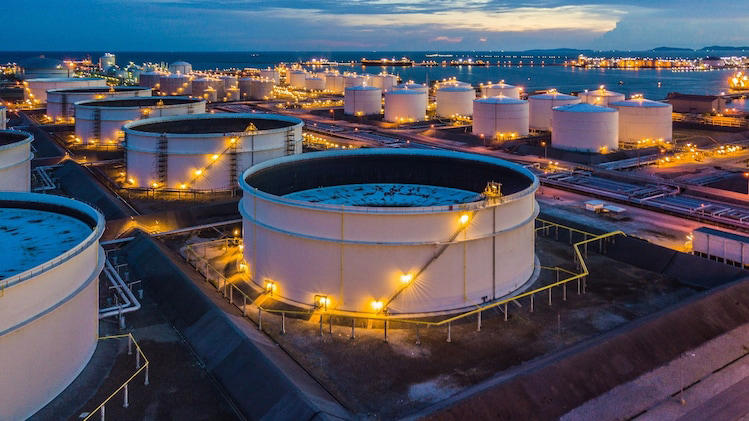
The G7 countries stated their readiness to take steps to support global energy supplies, including the option of releasing strategic oil reserves, but are currently holding off on any release decisions amid the surge in oil prices stemming from the US-Israel war against Iran. In a teleconference of finance ministers, there was broad consensus not to release stocks “too soon” pending further assessment of market conditions and physical supplies.
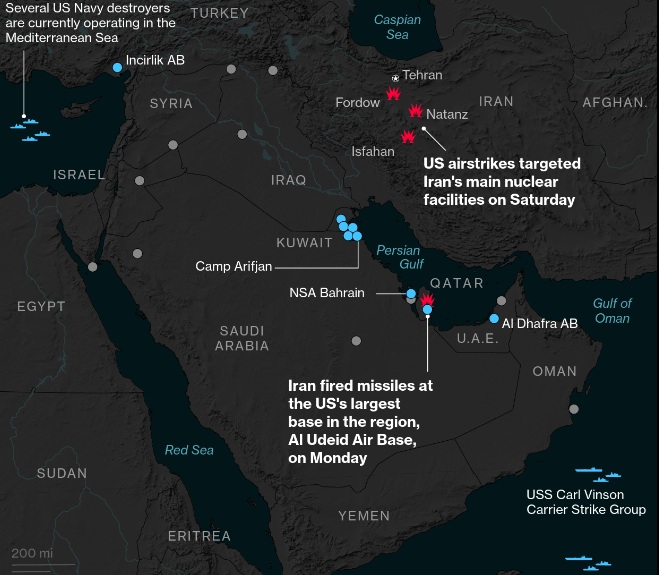
This “ready to act, not yet to execute” stance comes amid highly volatile oil markets, fueled by concerns about energy flow disruptions in the Gulf region and the Strait of Hormuz. Several reports indicate prices briefly surged above US$100 per barrel before sharply correcting, as investors assess the likelihood of policy intervention and changes in daily supply risks.
A French official said the G7 is “not yet at that point” to coordinate stock releases, indicating that a decision still hinges on evidence of a real supply shortage, rather than simply a response to rising prices. Meanwhile, Japan stated that the International Energy Agency (IEA) is promoting the option of a coordinated emergency stock release during the G7 discussions, emphasizing that coordination through the IEA mechanism remains available should market pressures worsen.
Reuters reported that G7 energy ministers are scheduled to hold a follow-up teleconference, with a final decision potentially being brought to the G7 leadership level later that week. G7 members are the United States, Canada, Japan, Italy, the United Kingdom, Germany, and France.
For the market, the key message is that the G7 is attempting to contain energy risk premiums without increasing policy volatility: delaying the stock release could be interpreted as reassurance that there is no immediate shortfall, but the "standby" statement maintains a psychological ceiling on prices as supply risks increase. Variables to monitor include developments in conflicts and shipping lane security, indications of physical supply disruptions, and further signals from the G7 energy ministers' meeting and IEA coordination regarding when the stock release option will actually be activated.
Source: Newsmaker.id