Trump–Xi Call: Taiwan “Reminded,” Trade Pushed
US President Donald Trump and Chinese President Xi Jinping discussed trade and a number of geopolitical issues—including Taiwan—in a phone call on Wednesday, ahead of a planned face-to-face meeting targeted for April. Trump called the conversation lengthy and positive, while Beijing emphasized that the Taiwan issue remains a “red line” that Washington must handle with extreme caution.
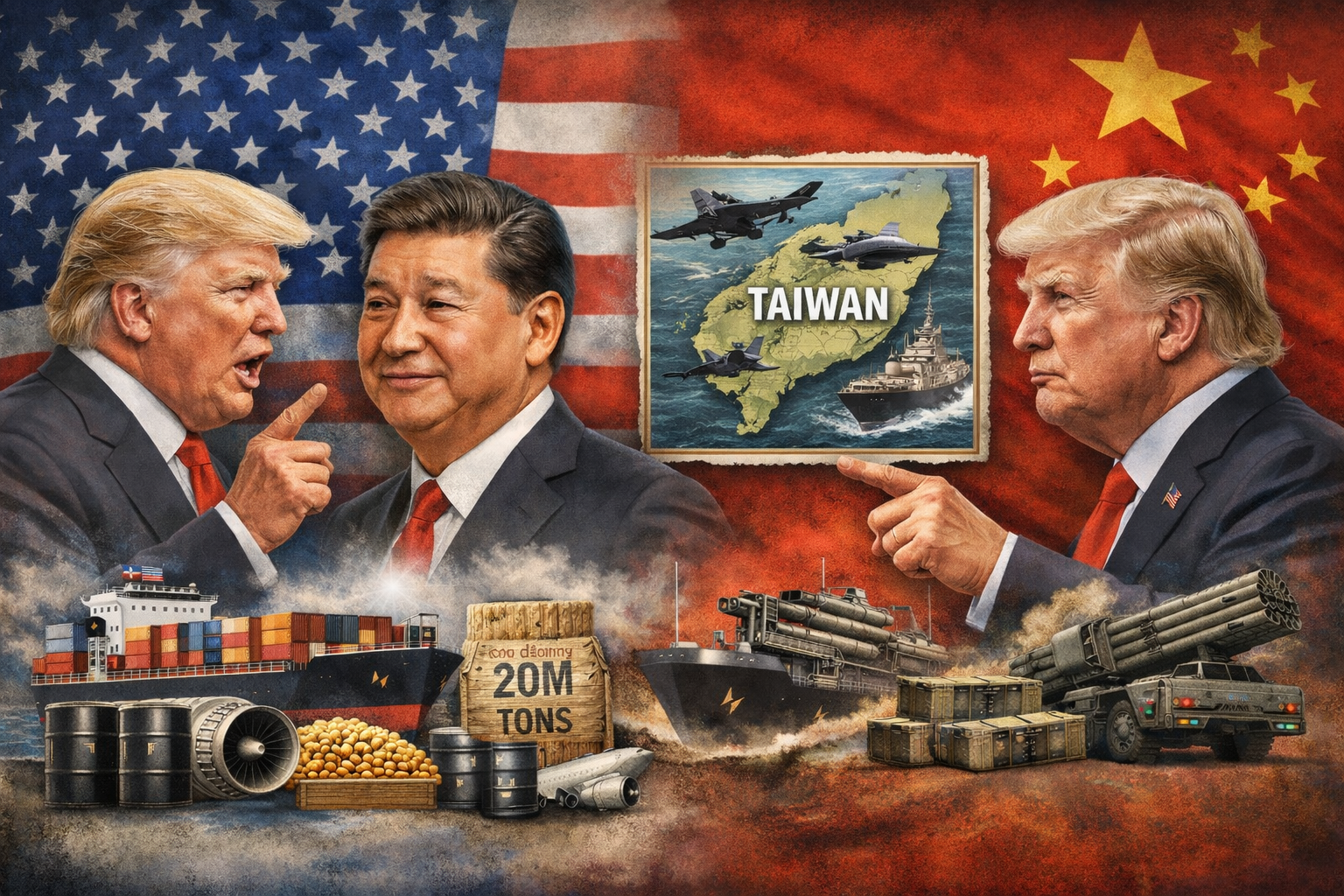
On the economic front, Trump claimed the talks yielded concrete signals regarding purchases of US commodities. He said China would increase purchases of US soybeans—from an estimated 12 million tons to 20 million tons for the current season, and even targeting 25 million tons for the next season. Trump also said there were discussions regarding oil and gas purchases and shipments of industrial components such as aircraft engines.
However, Beijing's tone on Taiwan was much more assertive. The Chinese statement emphasized that Xi urged the US to handle arms sales to Taipei with “utmost caution” and stressed that Beijing would not allow Taiwan to be “separated.” This comes amid lingering tensions following the US's passage of a major arms sales package to Taiwan, which drew strong criticism from China.
Trump also announced plans for a follow-up meeting this year. In a separate interview, he said the conversation lasted about an hour, and that in addition to Trump's planned visit to China in the spring, Xi was reportedly considering a return visit to Washington towards the end of the year.
While the tone was positive, the differences in how both sides portrayed the Taiwan issue suggest strategic friction remains. Markets also assess the current US-China relationship as being in a "stable but fragile" mode: both leaders want to de-escalate the trade conflict, but security issues (Taiwan, supply chains, technology) still have the potential to spark tensions at any time.
Going forward, the focus will be on the April agenda and whether these communications translate into concrete steps (such as actual commodity purchases and improved trade climates), or whether they again stall on sensitive issues like Taiwan. For now, the signal is clear: trade is being boosted, but Taiwan remains a flashpoint that could limit room for compromise. (asd)
Source: Newsmaker.id