Fierce Moments in the Arabian Sea: Iranian Drone Hit by US, World Shocked
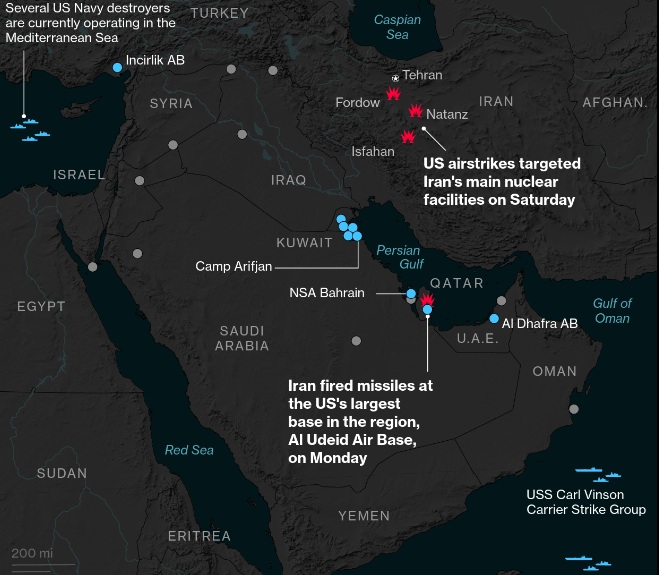
On Tuesday, February 3, 2026, the United States military reported shooting down an Iranian drone approaching the aircraft carrier USS Abraham Lincoln in the Arabian Sea. The incident occurred when the drone was deemed to have approached with "unclear intentions," prompting the US to describe its actions as self-defense.
According to reports, the downed drone was identified as a Shahed-139, and was shot down by a fighter jet from the aircraft carrier. The US stated that there were no casualties or damage to the aircraft carrier as a result of the incident.
At almost the same time, tensions were also rising in the world's most vital shipping lane: the Strait of Hormuz. Several Iranian gunboats reportedly approached a US-flagged tanker (Stena Imperative) in waters north of Oman. The tanker reportedly continued its course and was subsequently escorted.
Reports from maritime sources and security consultants indicate that the armed boats instructed the tanker to stop for inspection, but the tanker accelerated and did not enter Iranian territorial waters. Iran's version differs: local media claimed a ship had entered Iranian waters without permission and then left after being warned.
This series of events was quickly interpreted by the market as a signal that US-Iran tensions were still vulnerable to a "small fire" that could escalate at any time—especially given their location in an area directly related to energy security and military activity. Therefore, market participants typically immediately factor a risk premium into asset price movements.
This situation also emerged amidst discussions/negotiations between the US and Iran, which had previously offered hope for de-escalation. However, the drone incident and maritime disturbances have muddied the waters again: diplomatic opportunities remain, but the risk of misunderstandings on the ground has also increased.
Market Impact: For oil, headlines like this typically drive prices higher as the market adds a risk premium to potential supply/shipping disruptions in the Strait of Hormuz; for example, reports of this incident lifted Brent and WTI by around 2% in Tuesday's trading. Meanwhile, for gold, geopolitical tensions tend to fuel safe-haven demand, providing support for prices. However, its movement can still be "sustained" if the US dollar or bond yields strengthen. (asd)
Source: Newsmaker.id