US-Iran Tensions Heat Up, Diplomatic Channels Reopen
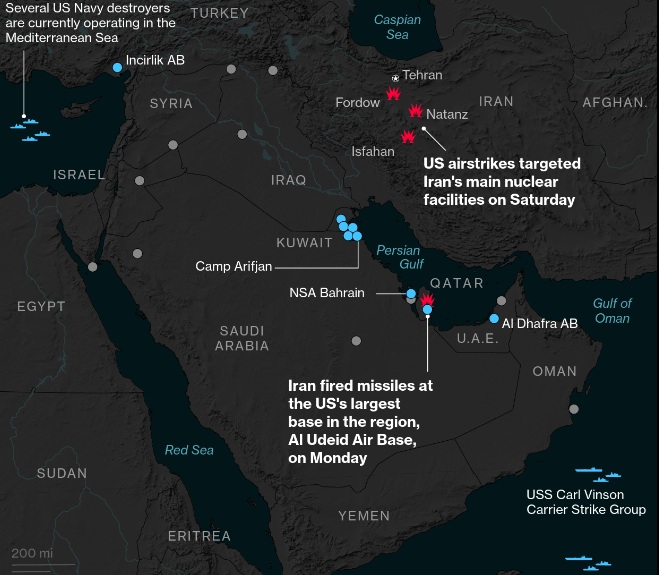
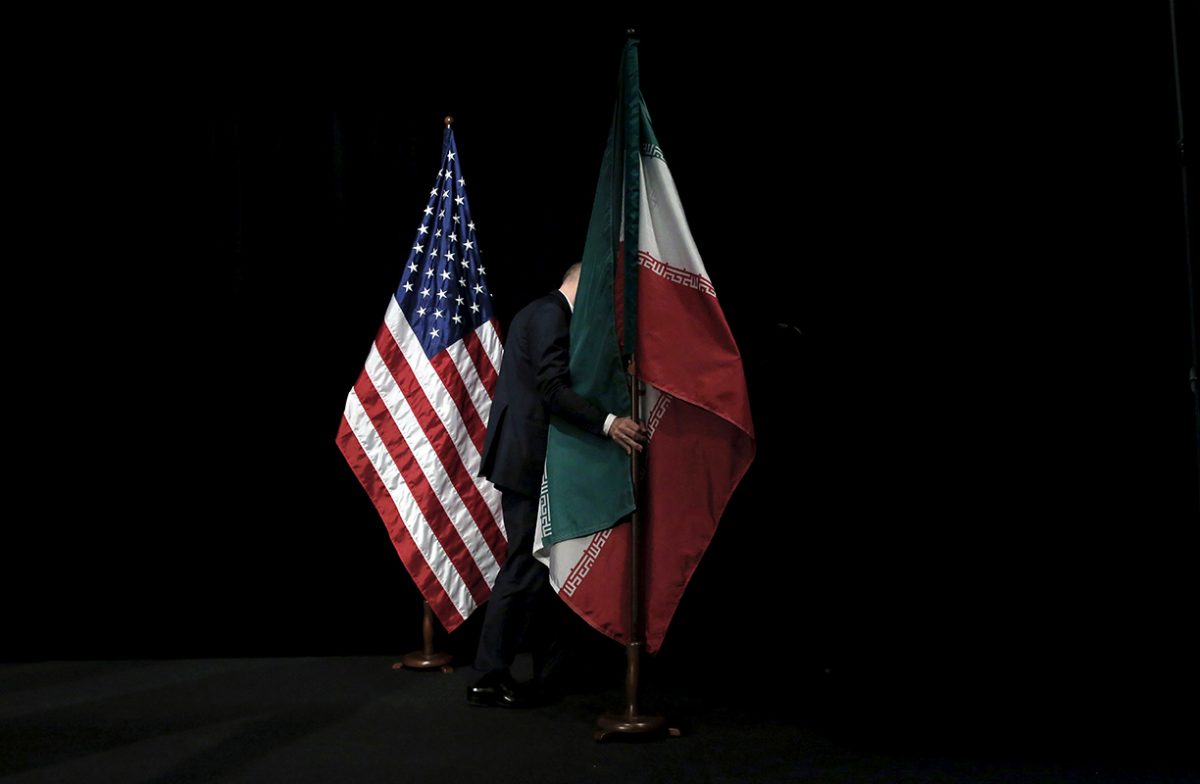
US-Iran relations have entered a "pressure-while-negotiating" phase as of today, Tuesday, February 3, 2026. On the one hand, Washington continues to display military posturing (ships/asset movements) as a signal of pressure. On the other hand, diplomatic channels have begun to reopen after both sides signaled their readiness to talk.
From Washington, Donald Trump stated that talks with Iran were ongoing despite high tensions, even as he mentioned large US ships moving toward Iranian territory. His message was clear: "We're talking, but we're keeping our heads up."
From Tehran, Abbas Araqchi stated that Iran was ready for "fair" talks, but set a firm limit: Iran did not want the discussion to touch on defense capabilities (which typically include missiles, etc.). This suggests that negotiations may be ongoing, but the space is narrow and prone to deadlock. The most concrete development: Reuters reports a planned meeting between Trump's special envoy, Steve Witkoff, and Araqchi on Friday, February 6, 2026, in Istanbul to discuss a possible nuclear deal. This is the clearest sign yet that communication is not merely via "messages," but is beginning to move toward the negotiating table.
Behind the scenes, Turkey is said to be trying to broker a meeting "this week." Meanwhile, the pressure continues: new sanctions from the U.S. Department of the Treasury on January 30, 2026, target Iranian officials for repression and corruption, including the first designation linked to the IRGC's digital asset network.
The bottom line for the market: the current situation remains headline-grabbing. If the Istanbul meeting proceeds and a "framework" is established for talks, tensions could ease quickly. But if it stalls (especially if accompanied by military maneuvers or additional sanctions), the risk of escalation increases—and is usually immediately reflected in oil, gold, and the USD.
Source: Newsmaker.id