US-Iran Tensions Heat Up Again: Trump Issues Threats, US "Armada" Already in the Region
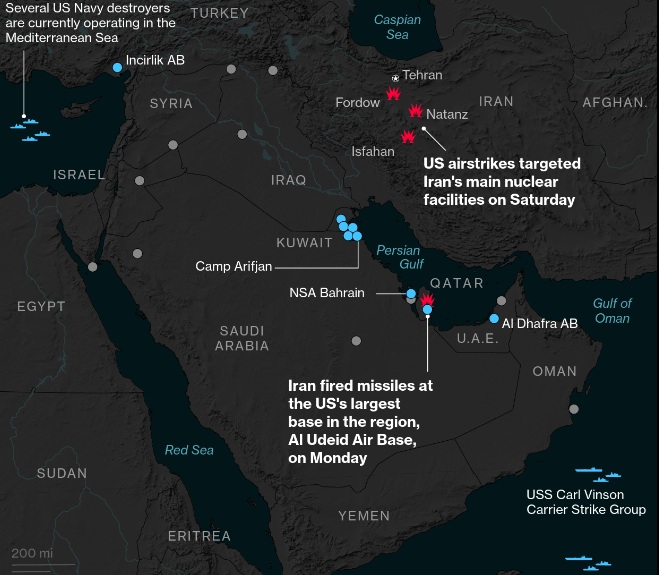
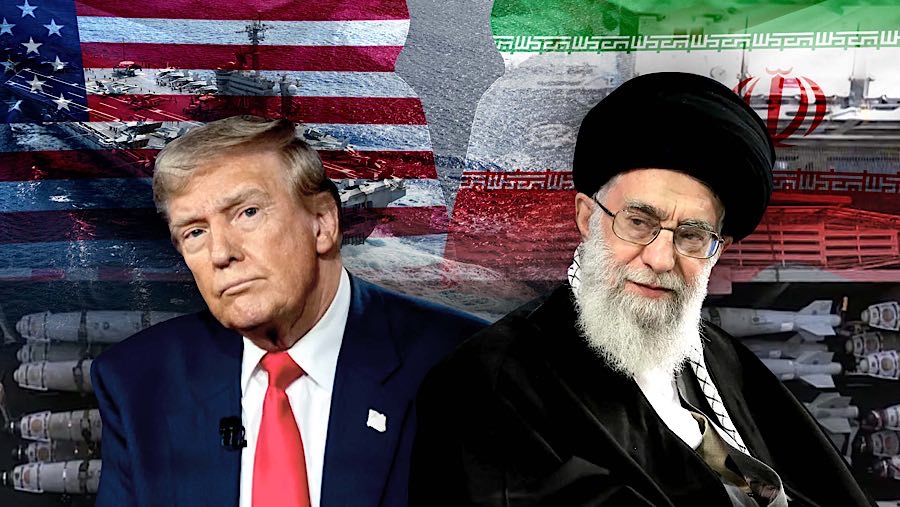
Tensions between the United States and Iran have escalated again as we approach the end of January 2026. In recent days, US President Donald Trump has issued a stern warning for Iran to return to nuclear negotiations immediately. Otherwise, Trump has said the next attack will be "far worse" than the previous one, while emphasizing the deployment of US military force to the Middle East.
In terms of "current conditions," the most obvious confirmation is the escalating language of threats and the strengthening of the US military posture—not an official announcement of a strike date. Reuters reported that Trump mentioned a fleet led by the aircraft carrier USS Abraham Lincoln heading to the region, increasing Washington's options for protecting US forces or, if necessary, taking military action.
Tehran's response has also been harsh. Iran's mission to the UN has described the threats as intimidation but maintained "room for dialogue" based on mutual respect. Iran has also reiterated its commitment to self-defense and response to any aggression. On the diplomatic front, Iranian Foreign Minister Abbas Araqchi stated that Iran has not requested negotiations with the US, and there has been no recent contact with US special envoy Steve Witkoff—although consultations via intermediaries are said to be ongoing.
Another factor contributing to market unease is the direction of US policy itself. Trump has previously stated that he is not overly concerned by the weakening dollar, while the "weaker dollar" narrative is perceived by some market participants as a signal of unconventional policy. At the same time, escalating US-Iran tensions have also raised risk premiums in geopolitically sensitive assets, particularly energy.
The most immediate impact is seen in oil. Citi expects oil prices to remain high in the short term despite the risk of oversupply, as the market places a geopolitical premium on the Middle East and other supply factors. Citi estimates that this geopolitical premium adds around US$3–US$4 per barrel to oil prices, and further escalation could push Brent closer to its near-term target of around US$70/barrel.
Today's position: There has been no official announcement of a planned attack, but Trump's rhetoric is increasingly explicit, the deployment of military assets is said to be ongoing, and Iran is refusing to negotiate under threat while preparing a counter-message. The market is interpreting this combination as a "ready to heat up at any moment" situation, so volatility—especially in oil and safe havens—is likely to remain high.
Source: Newsmaker.id