

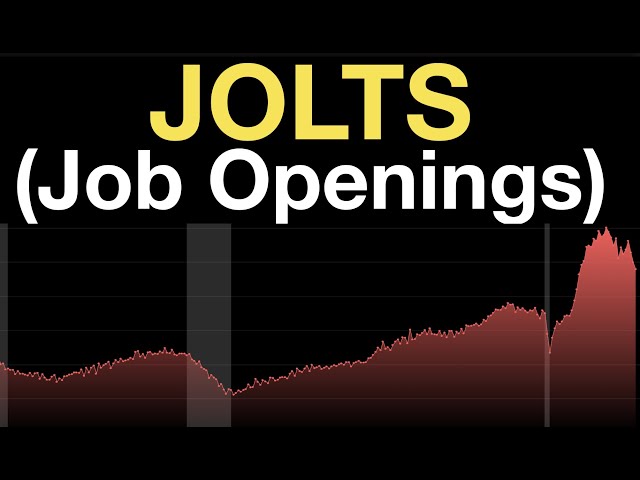
JOLTS Shines, Why Does Gold Rise?
The better-than-expected JOLTS data briefly strengthened the dollar, indicating the relatively solid US labor market, but gold continued to rise. The market interpreted this data as a signal that the US economy hadn't yet made a hard landing, but market participants' primary focus had shifted from "daily data" to the Fed's medium-term policy stance. The end of the high-interest rate cycle has made gold attractive as a hedge, so even though the dollar strengthened after the JOLTS release, selling pressure on gold was limited, and the price of the precious metal remained at a high level.
The key to gold's current movement is the expectation of a Fed rate cut, which is considered almost certain at the December meeting, with an estimated probability of a 25 bps cut in the range of 84-90%. The market is not only waiting to see whether the Fed cuts rates, but also the rate projections and the tone of Powell's comments for 2025–2026: whether the central bank will signal a more aggressive series of cuts, or a very gradual easing. If the Fed's guidance points to a lower interest rate trend and its continued low level, real yields could potentially fall, opening up further upside for gold. Conversely, if the Fed sounds more cautious and leaves open the possibility of a pause in future rate cuts, gold risks a correction, although for now, the "peak interest rate era is over" narrative remains strong enough to support gold demand. (az)
Source: Newsmaker.id








