Iran–US Deal: Will Gold or Oil Explode First?
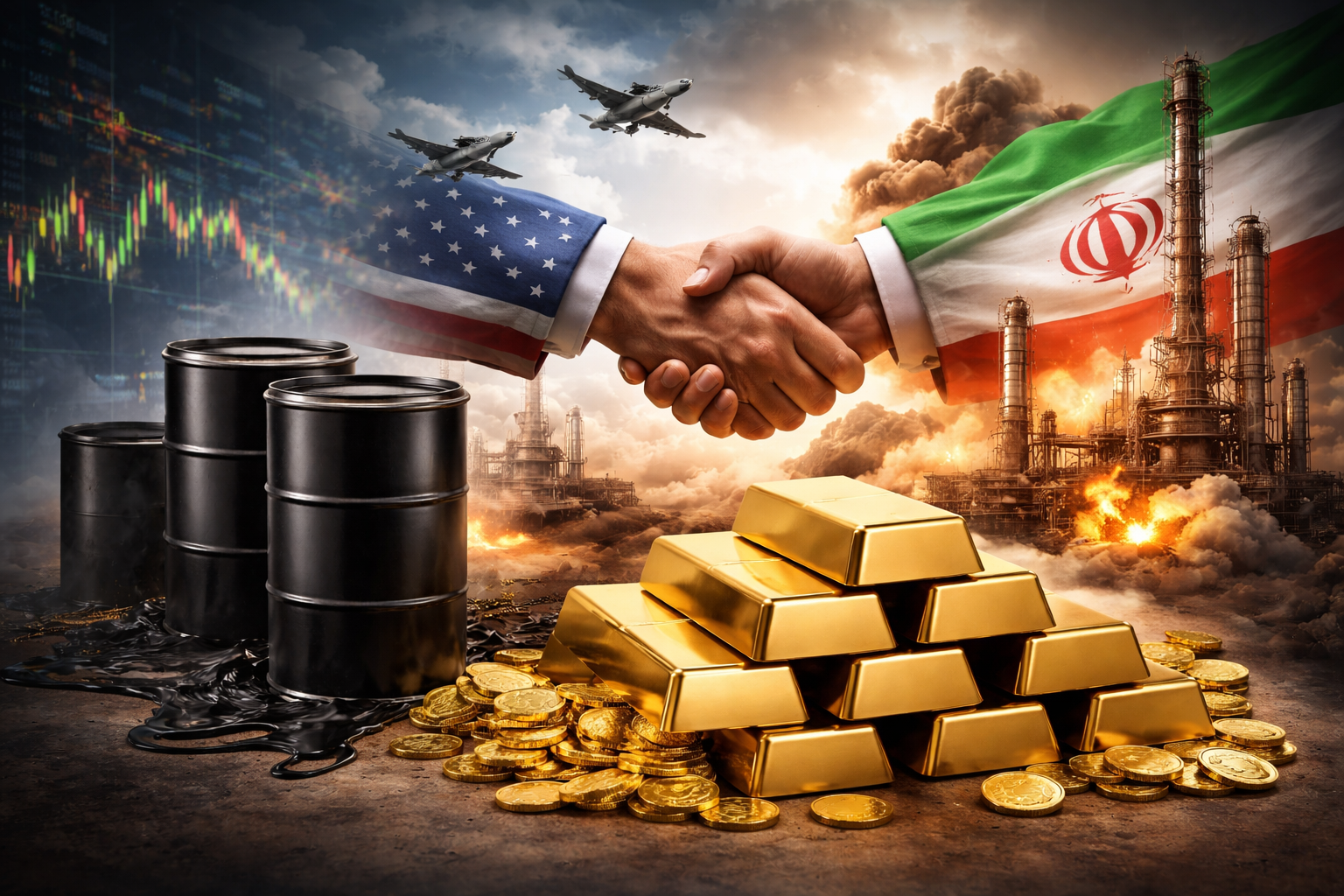
The Iran–US nuclear summit in Geneva on Tuesday was one of the most sensitive catalysts this week for oil and gold prices. While the market still considers the chances of a “quick deal” relatively slim, the direction of the negotiations could significantly shift geopolitical risk premiums—and this is directly reflected in both assets.
The primary correlation is simple: oil is most responsive to issues of energy supply and distribution channels, while gold is most responsive to systemic risk and safe-haven demand. When tensions escalate (threats of attack, retaliation, supply disruptions), oil tends to rise due to the risk premium; gold also strengthens due to hedging flows. Conversely, when diplomacy appears to be progressing, the oil risk premium typically declines more rapidly, while gold can “cool” but not always fall sharply due to continued support from interest rates and asset diversification.
On the oil side, the market is currently holding its breath amid signals of diplomacy and increased military preparedness. Reuters reports that Brent and WTI prices are likely stable ahead of the talks, while the US is said to be increasing pressure by deploying military assets and preparing operational options in case negotiations fail—factors that maintain high volatility despite the apparent calm in prices.
At the same time, there is a counterbalancing factor: OPEC+ is considering resuming production increases starting in April after a pause, citing seasonal needs and the belief that glut concerns are overblown. This means that if Iran-US diplomacy progresses positively (risk premiums fall) while OPEC+ supply increases, downward pressure on oil could be more pronounced. Conversely, if talks stall and tensions rise, risk premiums could outweigh oversupply sentiment in the short term.
For gold, the transmission channel is more through a combination of geopolitical risk and interest rate expectations. Recent softer US inflation data has revived hopes of interest rate cuts, which is structurally supportive of gold by lowering the opportunity cost of holding non-yielding assets. However, Iran-US developments could alter the velocity of safe-haven flows: escalation typically accelerates gold's rally, while diplomatic progress tends to trigger profit-taking and consolidation.
Realistic points to bring to the table (without claiming a final outcome) typically revolve around: a framework for limiting/monitoring the nuclear program, a sanctions relief mechanism, and an economic incentive package. Reuters reported that Iran has opened discussions on economic benefits, including potential cooperation/investment in the energy and mining sectors, as well as aircraft purchases—which, if truly leading to de-escalation, would tend to be bearish for oil risk premiums and curb the safe-haven gold market.
In conclusion, the “first reaction winner” is usually determined by the headlines: a progress deal tends to push oil down more quickly (risk premiums fall) while gold weakens only slightly; a failed deal/escalation tends to lift both, with oil more explosively due to supply channels. With Asian market liquidity thinned due to regional holidays, the price response could appear sharper than usual—making risk management and level discipline crucial heading into Tuesday. (asd)
Source: Newsmaker.id