
Trending
Gold
Source: Newsmaker.id
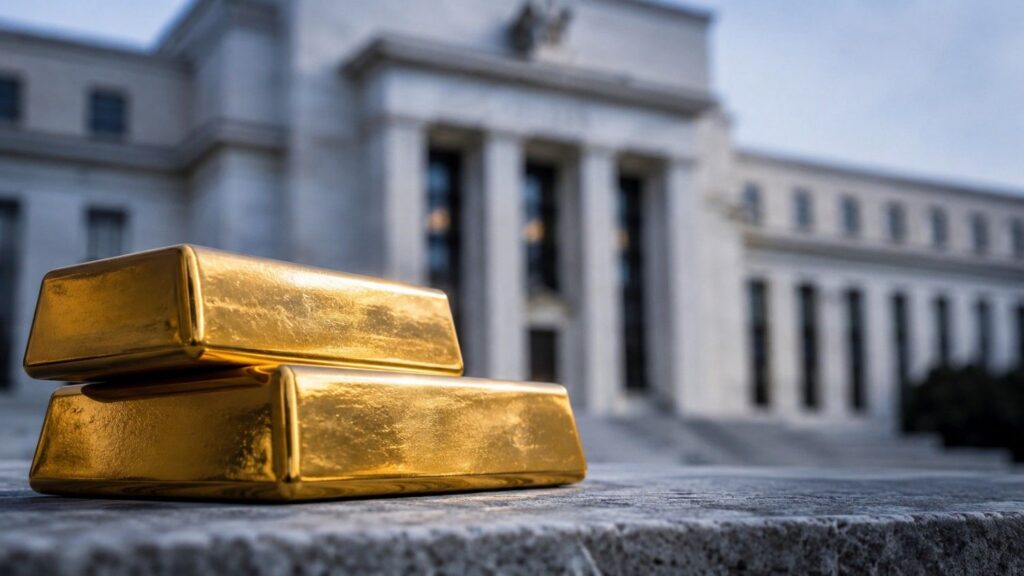
Gold prices retreated in Tuesday’s (Nov 24) trading, erasing much of the gains seen in the previous session. Spot gold fell by approximately 2% to US$3,562.60 per troy ounce, following a sharp rally on Monday. The downward pressure emerged after reports of planned US import tariff hikes triggered a sell-off in stock markets, prompting investors to seek liquidity.
Gold had previously surged 2.7%, buoyed by a rally in US stock markets led by Nvidia under the leadership of Jensen Huang. However, that momentum quickly reversed. In volatile market conditions, investors often sell off gold to cover losses or meet margin requirements. Gold’s volatility remains elevated, with its volatility indicator having reached a seven-month high last week.
On the monetary front, gold continues to face pressure from the prospect of higher interest rates from the Federal Reserve. John Williams, President of the Federal Reserve Bank of New York, emphasized that the central bank still has work to do to bring inflation under control. The market continues to anticipate a potential interest rate hike in December, keeping the opportunity cost of holding non-yielding assets like gold high.
Investor attention is now focused on the US Personal Consumption Expenditures (PCE) Price Index, due for release this week. This data serves as a key indicator for the direction of the Fed’s policy. Should inflation come in higher than expected, the likelihood of further interest rate hikes—and a stronger US dollar—could increase, potentially exerting additional pressure on gold.
Despite the challenging short-term outlook, JPMorgan anticipates that gold prices could strengthen in the long term. Lower oil prices and the possibility that the Fed may begin to hold interest rates steady by 2027 are expected to act as catalysts for a recovery, with gold potentially reaching US$4,500 per troy ounce by the end of 2027. In the near term, however, the trajectory of gold remains heavily dependent on US inflation data and developments regarding Washington’s trade policy. (arl)
Source: Newsmaker.id