
Trending
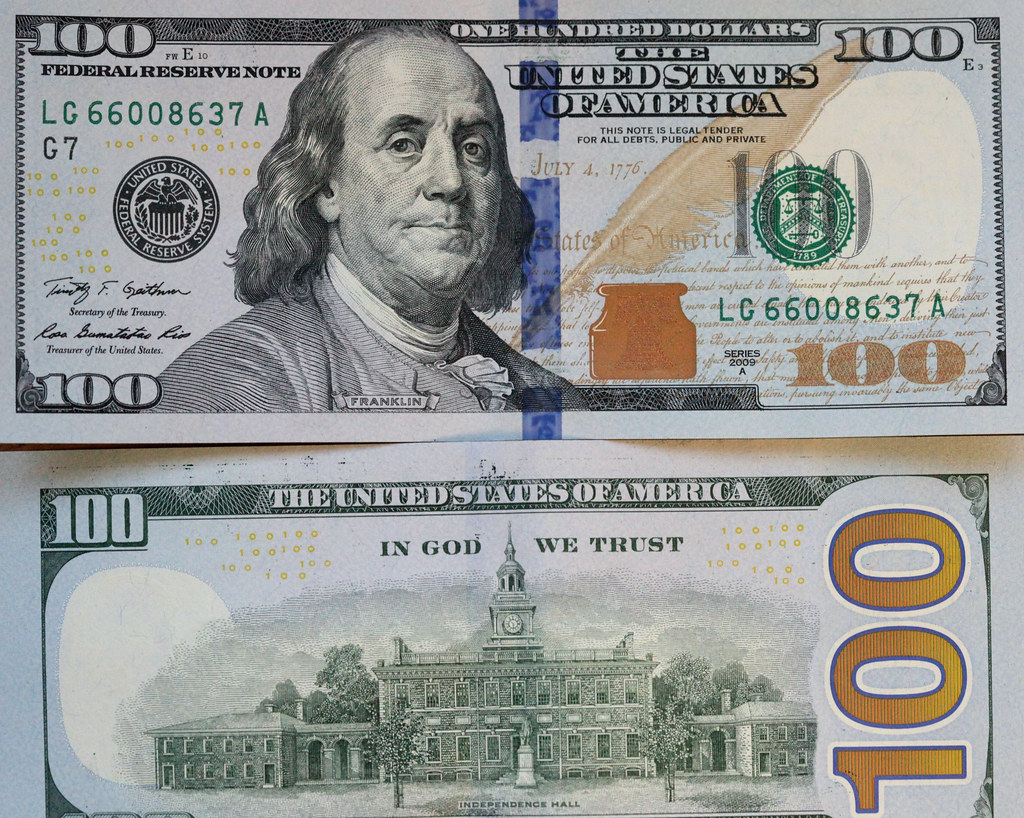
US Dollar
Source: Newsmaker.id
The US Dollar Index (DXY) weakened for the second consecutive day in trading on Monday (November 23), hovering around 103.39 during the Asian session. Despite this correction, the DXY remains near the highs reached last week—its strongest levels since April 2025. Consequently, the scope for further dollar weakness remains limited, supported by relatively favorable fundamentals.
The market has begun to temper expectations for aggressive tightening by the Federal Reserve, causing the dollar’s upward momentum to ease slightly. Nevertheless, a 25-basis-point interest rate hike at the December FOMC meeting is already fully priced in. Furthermore, the market is increasingly factoring in the possibility of additional hikes in January and April 2027, ensuring that the outlook for Fed policy continues to underpin the dollar.
Geopolitical risks also sustain the dollar’s appeal as a safe-haven asset. US President Donald Trump has indicated the possibility of pursuing a conflict with Iran next year should no agreement be reached. Meanwhile, Iran has intensified attacks on oil tankers in the Strait of Hormuz and claimed to have launched missile and drone strikes against US military positions in Bahrain.
Tensions have further escalated as the Iran-affiliated Houthi group continues its attacks on Saudi Arabia’s energy infrastructure. These developments have raised the geopolitical risk premium, potentially triggering buying interest in the dollar whenever it dips—a factor likely to limit any decline in the DXY in the short term.
Looking ahead, the market awaits the release of US flash PMI data early this week. However, the primary focus will be on Wednesday’s Personal Consumption Expenditures (PCE) Price Index, a key inflation indicator for the Federal Reserve. The PCE data will be crucial in determining whether expectations for interest rate hikes will intensify or subside, and will likely dictate the next direction for the DXY. (srh)
Source: Newsmaker.id