
Trending
Oil
Source: Newsmaker.id
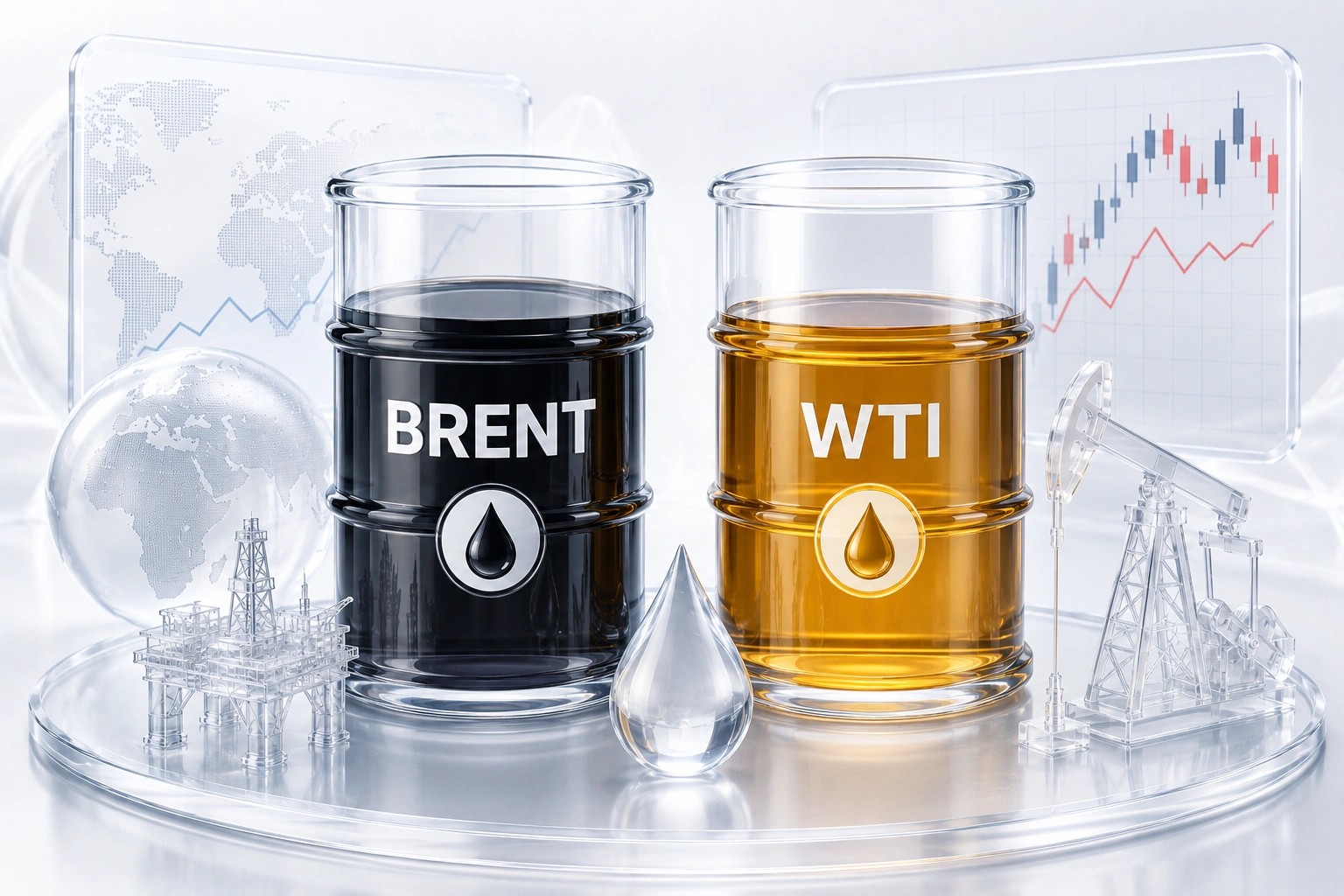
Oil prices rose during Thursday's trading (Oct. 8) following reports that the White House had asked the Pentagon to prepare options for a strike against Iran—actions that could be taken prior to the U.S. midterm elections. WTI crude climbed approximately 0.6% to $88.84 per barrel, while Brent had previously closed at around $100.20 per barrel. A report by *The Atlantic* indicated that military options remain under discussion, with no final decision yet reached.
Bullish sentiment was also driven by developments in the Gulf of Mexico. U.S. oil producers temporarily halted the output of more than 510,000 barrels per day—representing about a quarter of the region's production—due to Tropical Storm Isaias. The storm was forecast to intensify before reaching the U.S. coast, posing a potential threat of further energy production disruptions.
Middle East tensions remain a primary factor underpinning the oil risk premium. The U.S.-Iran conflict has disrupted exports throughout the year, and attacks on oil tankers have resurged, even as oil flows through the Strait of Hormuz have begun to recover. U.S. Central Command estimates that around 20 million barrels of oil flow through Hormuz daily, although industry estimates regarding actual volumes vary.
Regional risks have also escalated following attacks by Houthi rebels on several airports in Saudi Arabia. Conflict between the Houthis and Riyadh-backed forces continues to intensify in Yemen, particularly around the strategic Bab el-Mandeb Strait, a vital route for global energy trade.
Beyond threats to production and shipping lanes, oil logistics costs have also surged. Shipping rates for large tankers traveling from the U.S. to Asia have risen sharply due to heightened security risks and the need to source oil from more distant loading points. These conditions increase supply chain costs and could sustain upward pressure on energy prices, even as export volumes begin to recover. Regarding US fundamentals, national crude oil inventories fell by 3.2 million barrels, while exports of oil and energy products reached their highest level since late May. This data indicates that export demand remains robust, providing additional support for oil prices. Reuters also reported that the market continues to face high volatility driven by regional conflicts, extreme weather, and the release of emergency reserves.
Newsmaker Analysis:
Current oil sentiment is leaning bullish in the short term as the market confronts two simultaneous risks: a potential escalation between the US and Iran, and production disruptions caused by storms in the Gulf of Mexico. However, the recovery of Middle Eastern exports and the release of oil reserves continue to cap price gains. Should military threats against Iran intensify or storms trigger more extensive production shutdowns, the oil risk premium could surge once again.
Source: Newsmaker.id