
Trending
Global & Economy
Source: Newsmaker.id
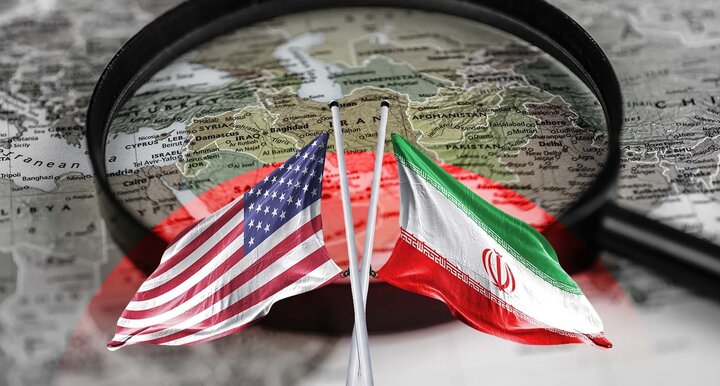
Iran has asserted that it is not yet prepared to engage in talks with the United States regarding an end to the months-long conflict. Tehran reportedly has seven demands that must be met before it will consider reopening negotiations, though the Iranian government has yet to disclose the full details of these demands.
Iranian state media previously reported that the demands include the lifting of the US naval blockade on Iranian ports, the removal of sanctions, and the unfreezing of Iranian assets. Negotiations between the two nations appear to have reached a near-deadlock, while US President Donald Trump has indicated that Washington could continue its strikes against Iran into the new year.
The ongoing tensions also pose a potential threat to energy trade routes. In recent days, the US and Iran have engaged in a series of limited strikes, keeping geopolitical risks in the Gulf region elevated. Iran has also issued threats against vessels transiting the Strait of Hormuz, following a report by the Revolutionary Guard that three ships had struck naval mines for allegedly violating maritime regulations.
These developments are of concern to the oil market, as the Strait of Hormuz serves as a critical artery for global energy trade. Meanwhile, oil prices have faced downward pressure for three consecutive weeks, driven by growing expectations of a global supply surplus. Consequently, the market must weigh two opposing factors: the risk of supply disruptions stemming from the conflict, and the fundamental pressure exerted by an increasing availability of oil.
With US-Iran negotiations at a standstill, the risk of escalation in the Middle East remains a significant catalyst for the energy market. Any disruption to vessel traffic through the Strait of Hormuz could once again drive up the oil risk premium—particularly if the tensions escalate into broader supply disruptions. (arl)
Source: Newsmaker.id