
Trending
Global & Economy
Source: Newsmaker.id
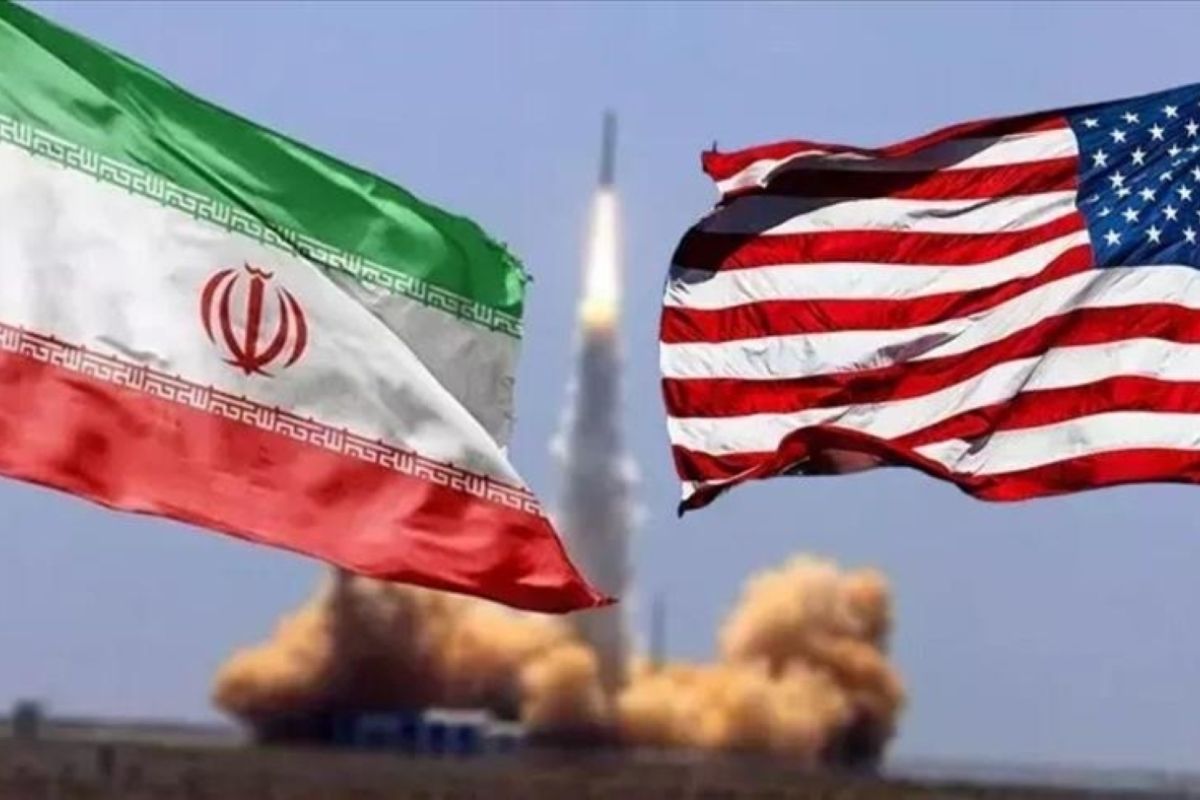
Geopolitical tensions in the Middle East escalated once again on Monday (November 16, 2026), following reports that Iran had launched a drone attack against the Riffa helicopter base in Bahrain. Iran’s Islamic Revolutionary Guard Corps (IRGC) stated that it had deployed six drones on Sunday in response to military actions taken by the United States. While the Bahraini government claimed to have intercepted and destroyed several projectiles, Iran asserted that its attack successfully reached its targets. This incident marks the first reported direct attack on Bahrain in recent weeks, fueling concerns over a potential expansion of the conflict, which has now persisted for nine months. Nevertheless, Iran has emphasized that diplomatic channels to end the hostilities with Washington remain open.
These developments come as U.S. President Donald Trump has signaled that Washington sees no urgent need to launch further strikes against Iran, provided there are no new provocations. However, the military option remains on the table amid rising regional security tensions. The United States has reportedly bolstered its military presence by deploying the USS Theodore Roosevelt carrier strike group to join two other carrier groups already in the Middle East. This reinforcement reflects Washington’s readiness for a potential escalation should diplomatic efforts fail. The arrival of additional naval forces has also heightened market concerns regarding security risks in the Persian Gulf—a critical artery for global energy trade.
Anxieties regarding the safety of shipping lanes have intensified following reports that several oil tankers may have struck naval mines in the Strait of Hormuz. Iranian state media reported that two tankers—which were allegedly using the southern shipping lane without authorization—encountered mines; one of these vessels had a capacity exceeding two million barrels of crude oil. Iranian state television further claimed that five vessels had been involved in similar incidents and caught fire over the last 48 hours, though the identities of the ships have not yet been disclosed. Separately, British maritime security authorities received reports of an attack on a tanker in the Persian Gulf, with the crew reported safe. These reports have heightened market concerns regarding the security of global oil distribution, although some details of the incident still await independent confirmation.
Amidst escalating military activity, Iran maintains its willingness to pursue a diplomatic resolution, provided the United States accepts certain conditions set forth by Tehran. Iranian Parliament Speaker Mohammad Bagher Ghalibaf emphasized that an opportunity to end the conflict still exists, but stated that his country is unwilling to remain in a state of uncertainty between war and peace. Meanwhile, Iranian Foreign Ministry spokesperson Esmail Baghaei indicated that limitations on nuclear enrichment are not currently part of the discussions for an agreement with Washington. The divergence in the positions of both nations suggests that the negotiation process continues to face significant hurdles. In the energy market, Brent crude is hovering around US$96 per barrel—following a decline of more than 2% the previous week—while West Texas Intermediate (WTI) is trading above US$88 per barrel. The risk of supply disruptions stemming from the latest attacks has helped curb a further decline in oil prices, even though physical supply levels remain relatively adequate.
Iranian attacks targeting Bahrain and the growing security threats in the Strait of Hormuz underscore that geopolitical risk remains a critical factor in shaping global energy prices. Fundamentally, the potential for oil distribution disruptions could increase the risk premium and drive up Brent prices, particularly if shipping activity through the Strait of Hormuz faces further interference. From a technical perspective, the US$95 level serves as an indicative psychological support for Brent, while the US$98 to US$100 range acts as a resistance level to watch should tensions intensify. If attacks on tankers persist and US-Iran diplomatic efforts remain deadlocked, oil prices could potentially move toward US$100 per barrel. Conversely, should both nations make progress in negotiations and security along shipping lanes improve, Brent could face renewed downward pressure. Consequently, the short-term direction of oil prices remains highly sensitive to developments in the Middle East conflict. Meanwhile, a surge in energy prices could intensify global inflationary pressures, bolster the US dollar—driven by expectations of higher interest rates—and increase demand for gold as a safe-haven asset should the conflict escalate further.