
Trending
Oil
Source: Newsmaker.id
Oil prices fluctuated on Tuesday (Nov 3), paring back some of their earlier gains. Brent crude hovered around US$105.02 per barrel, while WTI rose 0.96% to US$97.39 per barrel—a recovery following a more than 7% plunge in Monday’s trading.
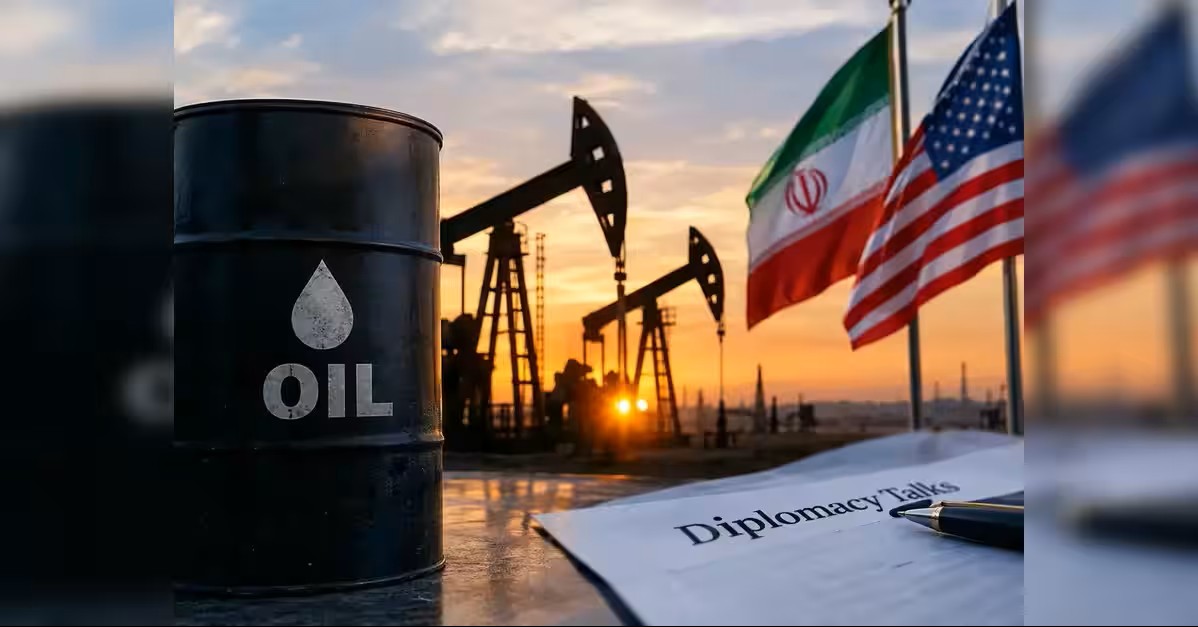
Oil price movements are once again being shaped by developments in the U.S.-Iran conflict. A U.S. strike on Qeshm Island, near the Strait of Hormuz, initially pushed prices higher by raising the risk of supply disruptions. However, downward pressure returned after Iran signaled a new openness to negotiations.
Iranian President Masoud Pezeshkian stated that Supreme Leader Mojtaba Khamenei has granted the government additional authority to discuss issues previously considered non-negotiable. Meanwhile, Qatari mediators have reportedly presented a new proposal aimed at bridging the gaps between the two sides.
Beyond geopolitical factors, oil supply from the Gulf region remains robust. In October, exports from Saudi Arabia, the United Arab Emirates, Iraq, and Kuwait increased by 10%, reaching over 15 million barrels per day. This has helped alleviate supply constraints, even as Iranian exports remain disrupted.
The physical market is also showing signs of easing. Regional oil indicators suggest that short-term supply is beginning to outpace demand, while the price structure for Dubai crude has shifted into "contango"—a condition that typically reflects a market with more ample supply.
Meanwhile, uncertainty remains high ahead of the U.S. midterm elections. Former President Donald Trump had previously suggested the possibility of further strikes against Iran following the elections; however, when asked on Monday whether such attacks would occur after the vote, he replied, "No."
Newsmaker Analysis: Oil prices are currently caught between two opposing forces. U.S.-Iran diplomacy and rising supply are exerting downward pressure on prices, while the risk of renewed attacks and potential disruptions in the Strait of Hormuz provide a floor for the market. Therefore, the progress of negotiations over the next 36 hours, as well as Washington’s stance following the election, will serve as key catalysts for the future direction of Brent and WTI. (arl)
Source: Newsmaker.id