
Trending
Global & Economy
Source: Newsmaker.id
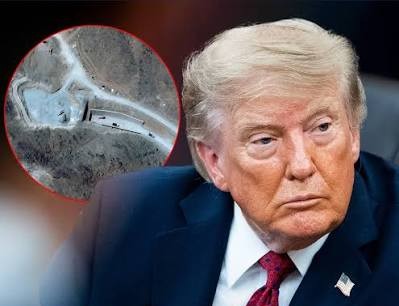
United States President Donald Trump has signaled that further military operations against Iran are currently unnecessary, as the prospects for resolving the conflict through diplomatic channels improve. In a statement on Monday (November 9, 2026), Trump noted positive developments toward ending the war with Iran. Nevertheless, Washington maintains its military readiness should the situation deteriorate once again. This marks a shift in the White House’s tone, following a prolonged conflict in the Middle East that has heightened geopolitical uncertainty and placed pressure on global energy markets.
Trump assessed that Iran’s military capabilities have weakened significantly, leading the United States to favor maintaining the current status quo rather than escalating attacks. He noted that regional nations—including Qatar, Saudi Arabia, the United Arab Emirates, Bahrain, and Kuwait—also have a vested interest in preserving regional stability. Washington continues to enforce a naval blockade against Iran as part of its ongoing pressure campaign. While signaling a greater openness to diplomacy, Trump emphasized that U.S. military forces remain on alert to address any potential shifts in the situation.
Meanwhile, the Iranian government has responded differently to these diplomatic developments. Mohsen Rezaei, Secretary of Iran’s Supreme National Security Council, urged Washington to cease the dissemination of information that he claims does not align with the actual progress of negotiations. Iran insists that the United States must meet seven previously stipulated conditions before further talks can proceed. These demands include the lifting of economic sanctions, the release of frozen Iranian assets, and the resolution of issues regarding compensation for the conflict. The divergence in the two nations' positions suggests that the path to peace remains fraught with obstacles, even as diplomatic communication begins to increase.
Separately, Qatar and Pakistan have reportedly put forward a new proposal aimed at reviving nuclear negotiations between Washington and Tehran. According to circulating reports, the draft proposal would allow Iran to enrich uranium on its own territory up to a limit of 3.67%, as part of an effort to reach an agreement acceptable to both sides. The United States is also said to have offered the possibility of unfreezing between US$6 billion and US$9 billion in Iranian assets, contingent upon the successful conclusion of an agreement. However, the details of this proposal have not yet been formalized into an official deal; its realization remains subject to ongoing negotiations and approval by both governments.
A shift in Trump’s stance toward Iran could influence global financial market sentiment, particularly regarding the prices of oil, gold, and the US dollar. Should diplomacy lead to an agreement that reduces the risk of energy supply disruptions in the Middle East, oil prices could face downward pressure, helping to alleviate inflationary concerns. Such a scenario might foster expectations for a more accommodative interest rate policy and provide support for gold as bond yields decline. Conversely, if negotiations reach an impasse and the threat of military conflict escalates, energy prices could rise due to heightened geopolitical risk. Consequently, the progress of nuclear negotiations and Washington’s decisions regarding the blockade on Iran will be critical factors in shaping the direction of global markets in the near term.